

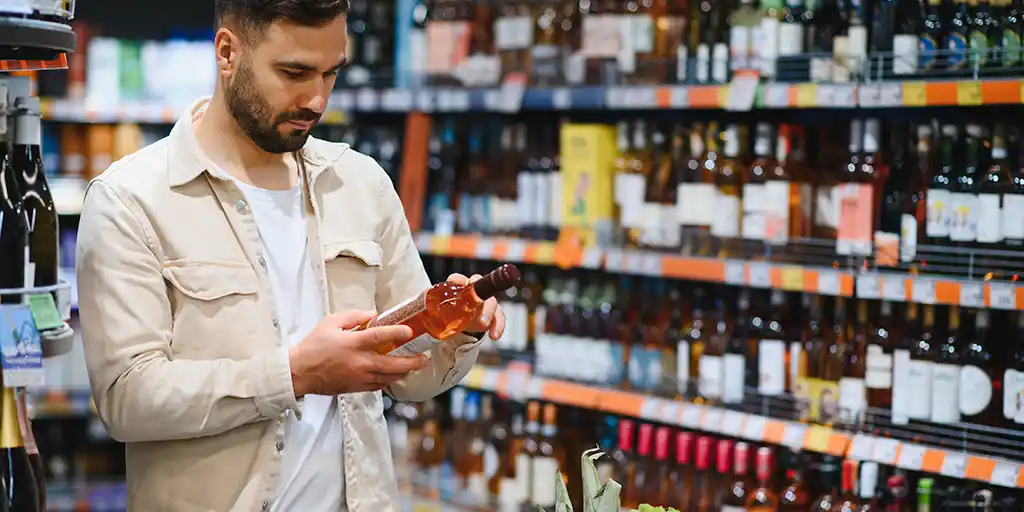
In the UK, craft beer and premium spirits saw their biggest boom roughly between 2012 and 2019[1]. That period was marked by rapid growth in independent breweries, a surge in gin distilleries, and a strong premiumisation trend across spirits. Since then, the market has matured. Growth has slowed, choice has consolidated, and shopper behaviour has become more considered rather than exploratory. In this article, we’re going to explore the current craft beer and premium spirits market and the opportunity it holds for retailers.
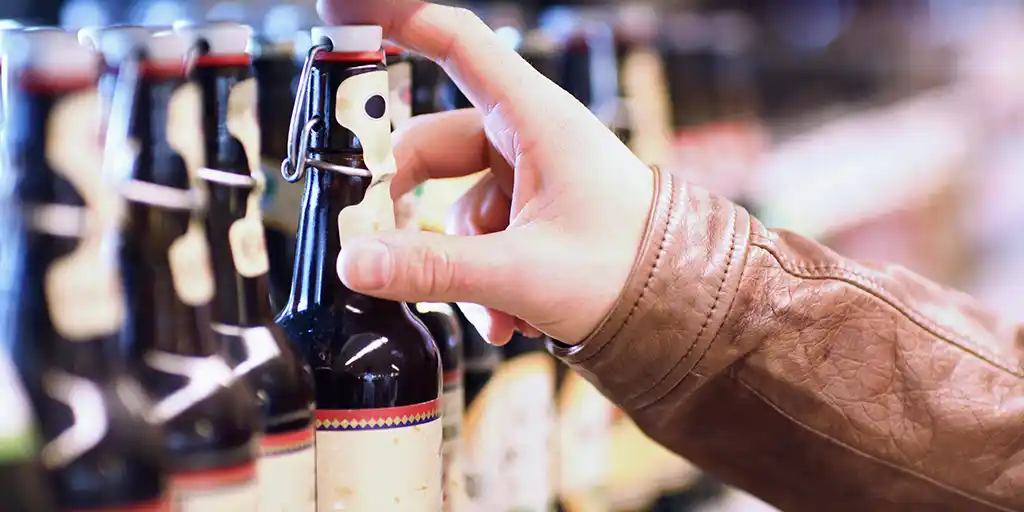
Drinking Patterns Are Evolving, Not Disappearing
Industry data shows that moderation is now a mainstream behaviour rather than a niche trend. NielsenIQ’s analysis of the UK beverage alcohol market highlights a continued move towards more selective purchasing, with shoppers spreading spend across fewer occasions and prioritising quality over quantity[2].
This does not mean alcohol has lost relevance in convenience. Instead, it has shifted the opportunity. The mission is increasingly about ‘something good for tonight’ rather than stocking up, which supports premium price points when the product feels justified.
Craft Beer Still Matters, But Simplicity Is Key
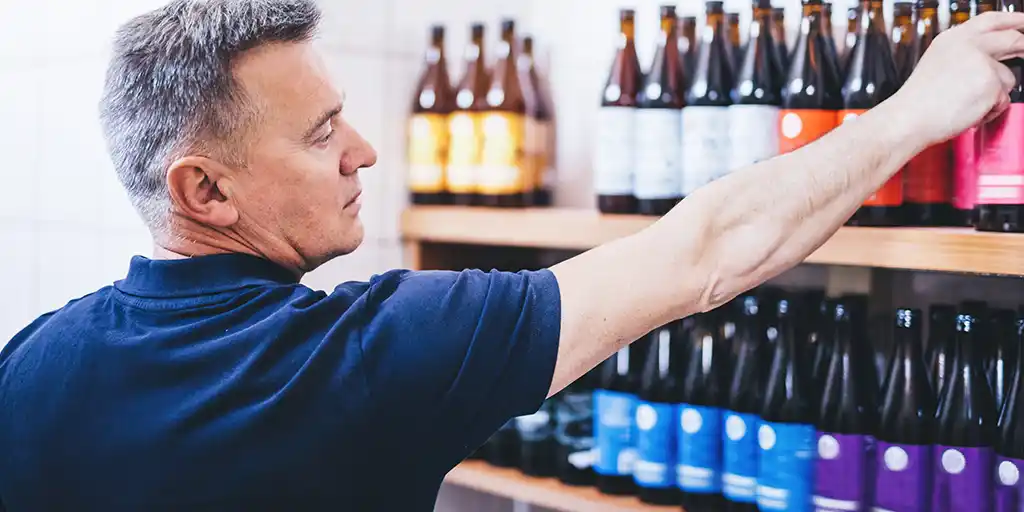
Craft beer remains an important part of this premiumisation story, but the category has matured. Choice has expanded rapidly over the past decade, and shoppers can now feel overwhelmed rather than inspired by over-ranging.
NielsenIQ analysis shows the UK beer market is highly fragmented, with a long tail of small brands. In convenience, that reinforces the value of curation. Stores that perform best tend to offer a tight craft selection built around recognisable styles and brands, supported by a limited number of rotating or local lines[3].
The role of craft in smaller stores is less about depth and more about confidence. A small, well-presented range that feels intentional often works harder than a broad fixture with inconsistent availability.
Premium Spirits Suit The Convenience Mission
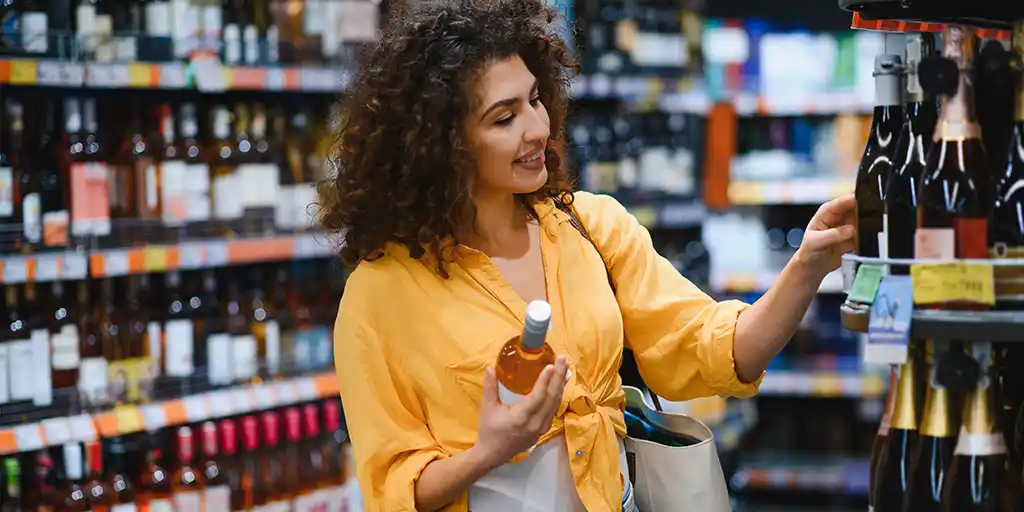
Premium spirits have quietly become a strong fit for convenience retail. The rise of the ‘home serve’ means shoppers are increasingly comfortable paying more for a bottle they intend to enjoy slowly, often paired with a good mixer (and perhaps snacks) rather than consumed quickly.
Data from Lumina Intelligence shows that spirits continue to gain share of drinking occasions, particularly in at-home settings[4]. This aligns well with convenience shopping patterns, where customers are often planning for an evening in rather than a night out.
For smaller stores, success in spirits is rarely about range size. It is about having the right stepping stones, a credible entry premium option, one or two higher-quality choices, and the mixers and garnishes that complete the occasion.
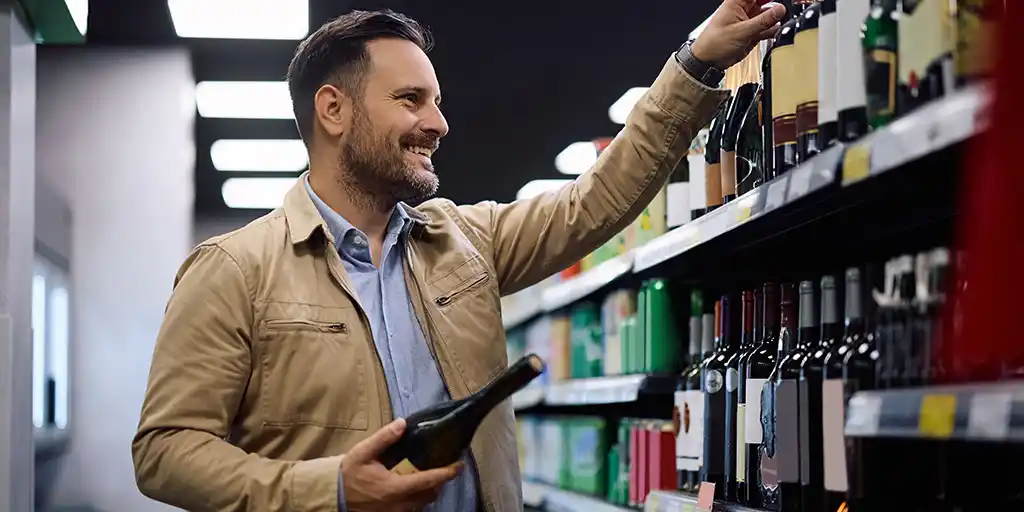
Here are a few approaches to help capture the craft beer and premium spirits market:
- Clear pricing and positioning
- Limited but well-chosen ranges, particularly in craft beer
- Cross-merchandising, linking spirits with mixers and premium snacks
- Occasion-led cues, helping shoppers quickly understand what a product is for
- Stocking local where possible
[1] Society of Independent Brewers (SIBA) | Wine and Spirit Trade Association (WSTA)
[2] NielsenIQ: How Moderation is Changing the UK Beverage Basket 11.11.25
[3] NielsenIQ: Online Beer Market Analysis: UK Case 2024
[4] Lumina Intelligence, UK Drinks Market 2025: The Rise of Premium, Mindful and Social Drinking