
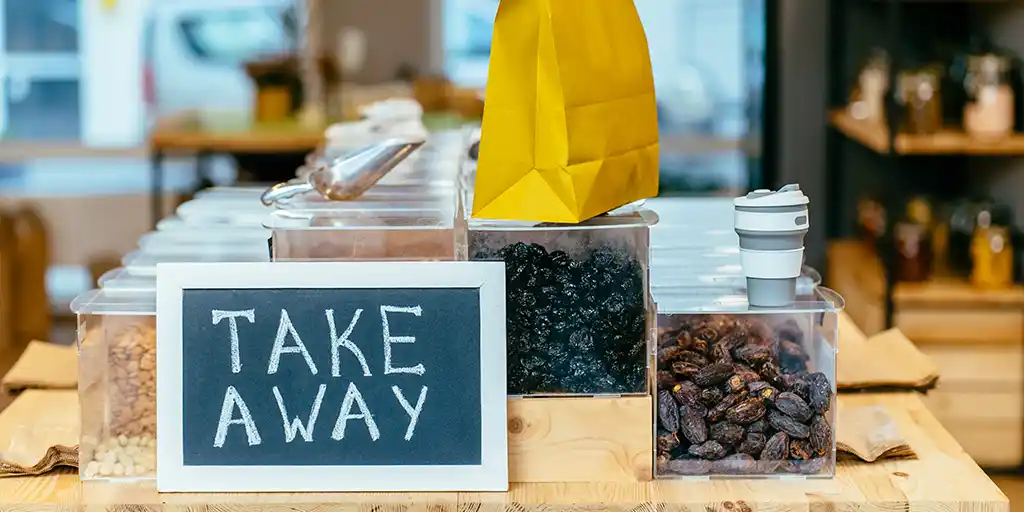
For a few years now, there’s been a noticeable shift happening in convenience, and it’s not just about what’s on the shelves. Increasingly, it’s about what else the store can do.
From parcel collection and returns to coffee counters, hot food, and even informal community spaces, convenience stores are evolving into local service hubs. For many shoppers, especially younger ones, the role of the store is changing from a quick stop to something far more embedded in everyday life.
Data from Kantar shows that over 60% of UK households now use convenience stores regularly, with top-up shopping missions continuing to grow year on year. But it’s how shoppers are using these stores that’s shifting. According to Mintel, nearly half of Gen Z shoppers say they prefer buying locally for ease and immediacy, and they are more likely than older groups to combine multiple ‘missions’ into one visit, whether that’s picking up a parcel, grabbing lunch, or meeting friends[1].
This presents a clear opportunity for retailers to keep customers in their store for longer, by offering more than just products.
Parcel services are a good example. With the continued growth of online shopping, services like click-and-collect and returns have become a reliable footfall driver. The Association of Convenience Stores (ACS) reports that over 40% of independent convenience stores now offer some form of parcel service. In fact, parcel collection and returns are now among the top reasons shoppers visit their local convenience store, underlining how services are shaping footfall, not just products[2]. While not every visit converts into a purchase, the increased dwell time and repeat footfall create more opportunities for incremental spend.
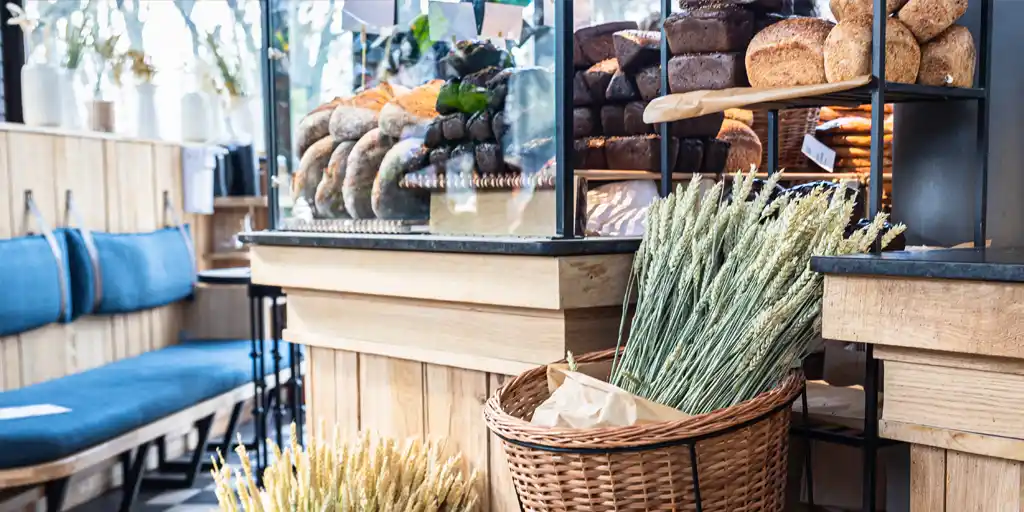
Food-to-go is another area where the ‘service hub’ model is gaining momentum. According to Lumina Intelligence’s UK Food to Go Market Report 2026, the market is set to reach £24.9bn this year, growing ahead of the wider eating-out sector as demand for convenient, high-quality options continues to evolve. Whether it’s a simple bakery fixture, a branded coffee machine, or a more developed hot food counter, these offers turn a transactional visit into a more considered one, often increasing basket spend in the process.
Then there’s the social side to convenience stores. Seating areas, tasting evenings, or small community events might not immediately feel like revenue drivers, but they help position the store as part of the local routine. In an era where larger retailers are investing heavily in personalisation and data, independents have an advantage that’s harder to replicate, genuine local connection.
Rather than thinking purely in terms of product categories, retailers are beginning to layer services around their core offer, creating a space that supports multiple needs in a single visit.
Of course, not every store has the space or resources to introduce multiple services at once. But even small steps, adding a parcel service, upgrading coffee, or trialling a limited food offer, can start to shift perception and behaviour.