

This article draws on insights from The Food People’s Q1 2026 trend update.
Over the last few years, health has been a key driver in how trends take shape. From protein and fibre to gluten and dairy-free, there’s a clear shift in how people are choosing to eat, snack and shop.
Protein
Protein has moved well beyond gym culture and into everyday eating. It’s now one of the easiest cues for shoppers looking for something ‘better for you’, whether that’s breakfast, lunch or a quick snack.
We’re seeing it across more formats too. Not just shakes and bars, but cereals, bakery, ready meals and even savoury snacks. In the UK, this lines up with continued demand for functional food that feels accessible rather than specialist.
For convenience retailers, this means: giving protein-led products more visibility across the store, not just in one fixture, leaning into ‘everyday protein’ rather than niche sports nutrition, and pairing protein with familiar formats, think breakfast pots, sandwiches and snacking ranges
Fibre
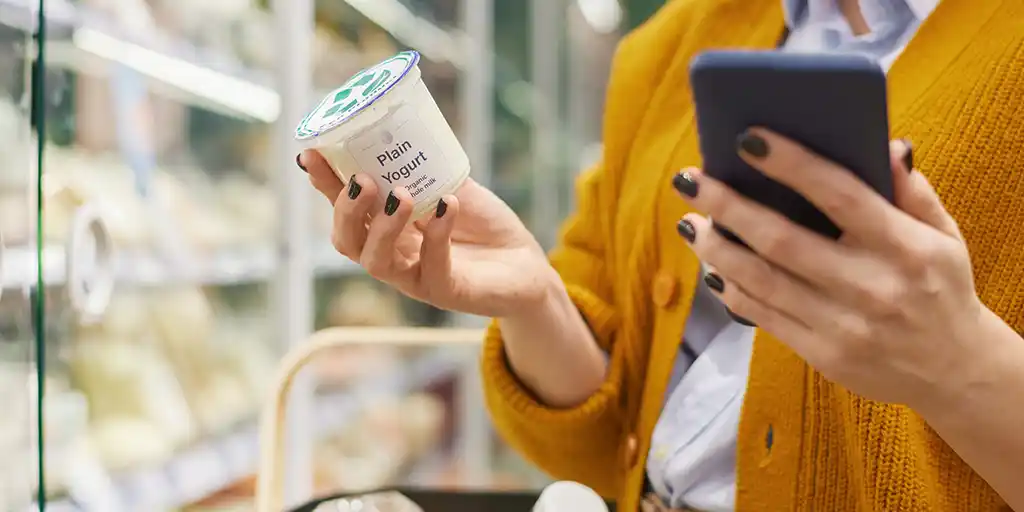
Fibre might not have the same headline appeal as protein, but it’s gaining serious ground, largely thanks to growing awareness around gut health.
Shoppers are starting to understand the wider benefits, from digestion to satiety, and that’s pushing fibre into more everyday products. Bread, cereals, snacks and even drinks are now carrying clearer fibre messaging.
Retailers can tap into this by:
- Highlighting fibre callouts clearly on shelf
- Grouping high-fibre options within core categories like bakery and breakfast
- Balancing indulgence with’ functional’ choices that still feel familiar
- The ‘better-for-you’ sweet shift
Lower Sugar
Lower sugar, naturally sweetened and reformulated products are continuing to grow, helped by both regulation and changing consumer expectations. Shoppers still want a treat, but they’re more aware of what’s in it.
This is where brands are getting smarter, using ingredients, formats and messaging that reduce sugar without losing the appeal.
In convenience stores, there’s still strong demand for confectionery, but space should be made for lower sugar alternatives, merchandised alongside traditional treats, not hidden away.
HFSS
Even with ongoing discussions around regulation, HFSS remains a key factor in how stores are laid out and ranged.
Many brands have already reformulated or launched compliant alternatives, and retailers have had to rethink high-impact areas like tills, aisle ends and promotions.
What’s changed is the approach. It’s less reactive now, more built into long-term ranging decisions.
Gluten-Free
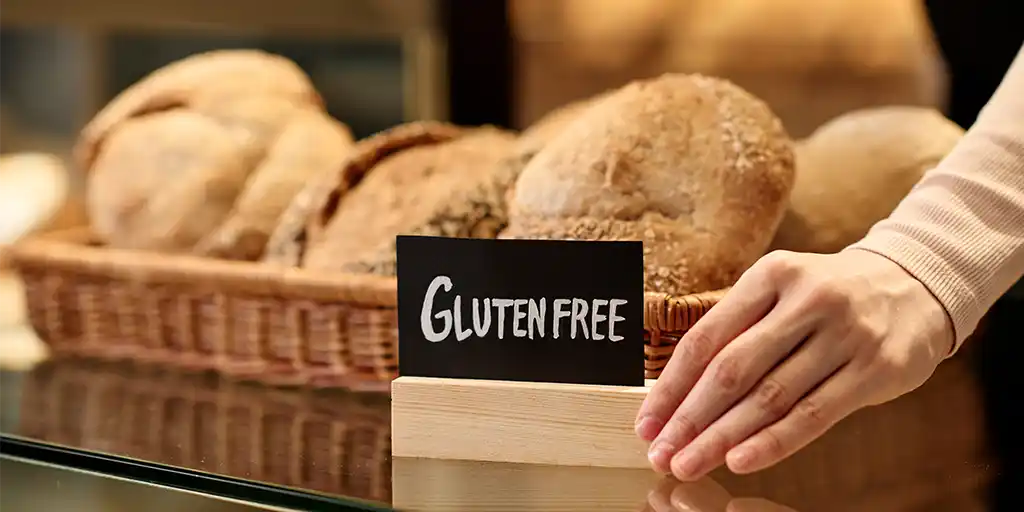
Gluten-free has moved well beyond a dietary requirement and into a broader lifestyle space.
Shoppers increasingly see it as part of a ‘cleaner’ or more considered way of eating, which has pushed brands to improve both quality and variety. The result is products that don’t feel like a compromise and just as good as their alternative counterparts.
How stores should merchandise gluten-free is changing too, no longer are these products placed in a separate section only, they should sit within core categories.
Snacking
Snacking is still one of the biggest opportunities in convenience, but the mindset behind it is shifting.
Shoppers are looking for balance. Something that feels like a treat, but also offers some form of nutritional benefit, whether that’s protein, fibre or lower sugar.
This ‘permissible indulgence’ is where a lot of innovation is landing. Retailers can stay on top of snacking trends by:
- Mix indulgent and functional options within the same space
- Focus on clear benefits, protein, fibre, low sugar, rather than vague health claims
- Keep an eye on format, grab-and-go remains key
Early Years Nutrition
Another area picking up pace is early years nutrition.
There’s increasing attention on what children are eating, from sugar levels to ultra-processed foods, alongside a push for more whole, recognisable ingredients.
In convenience, this presents a quieter but important opportunity, especially if your store is local to schools.
One of the key takeaways from this report is that shoppers aren’t choosing between health and enjoyment anymore. They expect both.