


Convenience stores have always played a unique role, especially those in small towns and remote villages. They’re not just places to shop, they are part of the daily rhythm of local life. This puts them in a strong position to benefit from local sourcing and community partnerships, both of which offer practical ways to drive footfall but to also increase loyalty.
In recent years, supply chain disruption, rising costs and shifting shopper expectations have sharpened interest in buying local. Shoppers increasingly want to support businesses that support their area, and convenience stores are well placed to make that connection visible and credible.

Why Local Sourcing Makes Sense
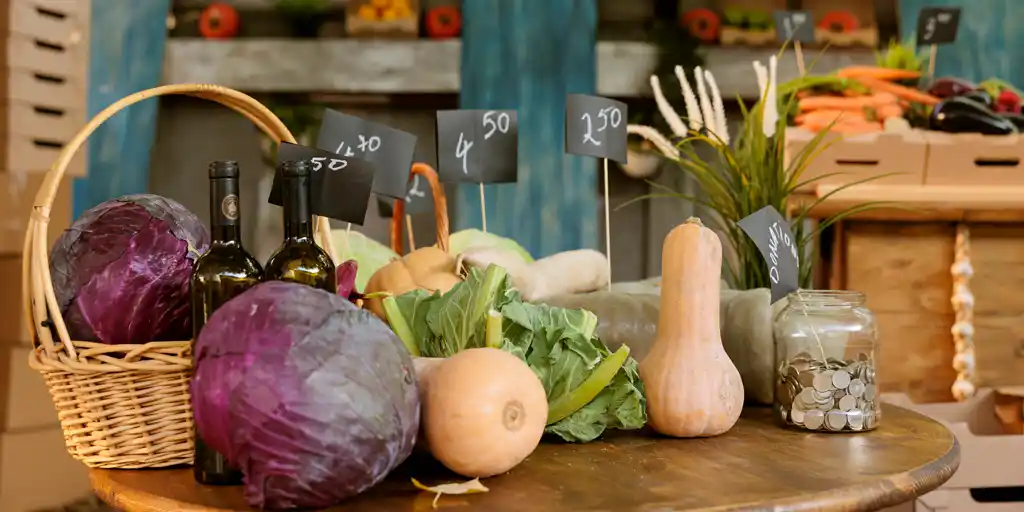
Local sourcing is often talked about in emotional terms, but the commercial upside is just as important. Stocking local products can help stores stand out from multiples, reduce reliance on long supply chains and introduce higher-margin lines with a clear point of difference.
Data from the Association of Convenience Stores (ACS) consistently shows that convenience stores are embedded in their communities, often serving as the most accessible retail outlet for miles. That proximity gives independents an edge when it comes to telling local stories, whether that is bread from a nearby bakery, cakes from a local producer, or drinks made just down the road.
Shoppers respond to that authenticity. Products with a local story feel more personal and often justify a slightly higher price point, particularly when quality and provenance are clear.
Community Partnerships Go Beyond The Shelf
Local sourcing is only one part of the picture. Community partnerships can extend far beyond product, helping stores cement their role as a community hub.
Some retailers work with local schools, sports teams or charities, offering noticeboard space, fundraising support or collection points. Others collaborate with food redistribution organisations such as FareShare, helping reduce waste while supporting vulnerable people locally. These partnerships may not always drive immediate sales, but they build long-term trust and goodwill, which matters in competitive neighbourhoods.

Balancing Local and National Brands
Local sourcing does not mean replacing core brands. National brands still anchor trust and drive volume. The opportunity lies in blending the two, using local products to add interest and personality to familiar categories.
For example, a local cake line alongside national confectionery, or a locally brewed soft drink next to established brands, can lift the whole category. Local products can also work well in seasonal moments, such as summer BBQs, Christmas gifting or community events.
Getting Started
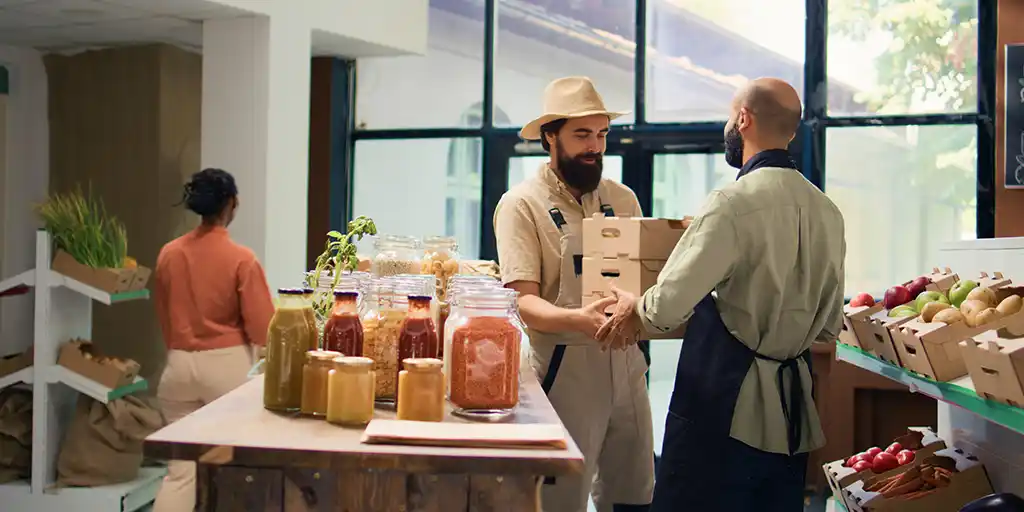
Start small: curate a small, well-chosen range of local lines, clearly signed and easy to find. A single shelf or bay dedicated to ‘Local Favourites’ can be enough to catch attention.
Community partnerships follow the same rule. Focus on initiatives that align naturally with the store and its customers. Authenticity matters, shoppers can tell when something feels forced.
Treat local suppliers like partners. Ensure you’re upfront in the initial stages with clear conversations about volumes, pricing and expectations. Local producers are often smaller businesses, who will benefit from realistic forecasting and reliable orders, while retailers benefit from dependable supply and shared promotion.