

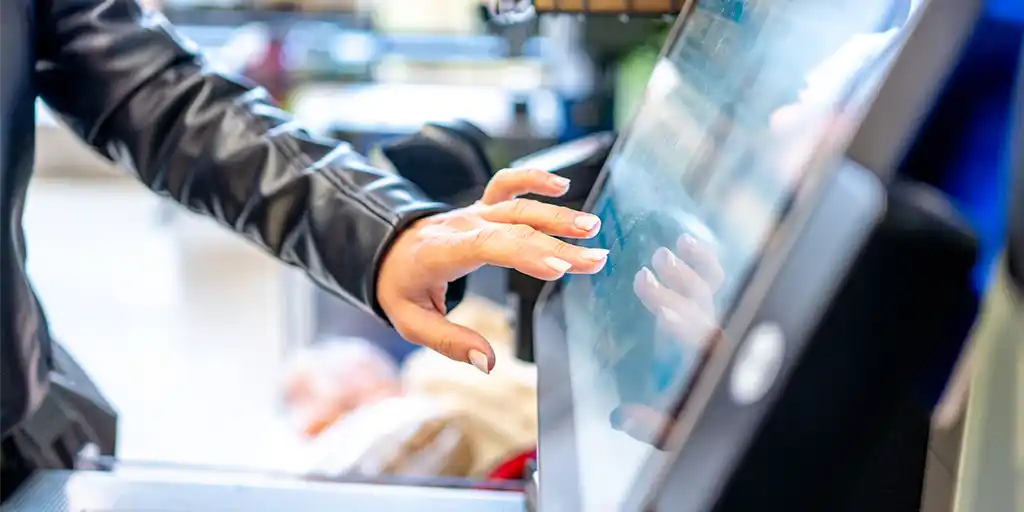
Not so long ago, the checkout was one of the simplest parts of running a convenience store. A single till, a familiar face behind it, a queue that ebbed and flowed with the day. Today, it’s one of the most debated decisions a retailer can make.
Self-checkout has quietly moved from being a supermarket novelty to something far more common across smaller formats. In convenience stores up and down the country, self-serve tills are being trialled to speed up lunchtime rushes, ease pressure on single-manned shifts and help stores cope with rising labour costs. At the same time, some retailers are pulling them back, citing concerns around shrink, customer frustration, and lost connection.
The truth is more nuanced. Self-checkout can work very well in smaller stores, but only when it’s introduced with clear intent and realistic expectations.
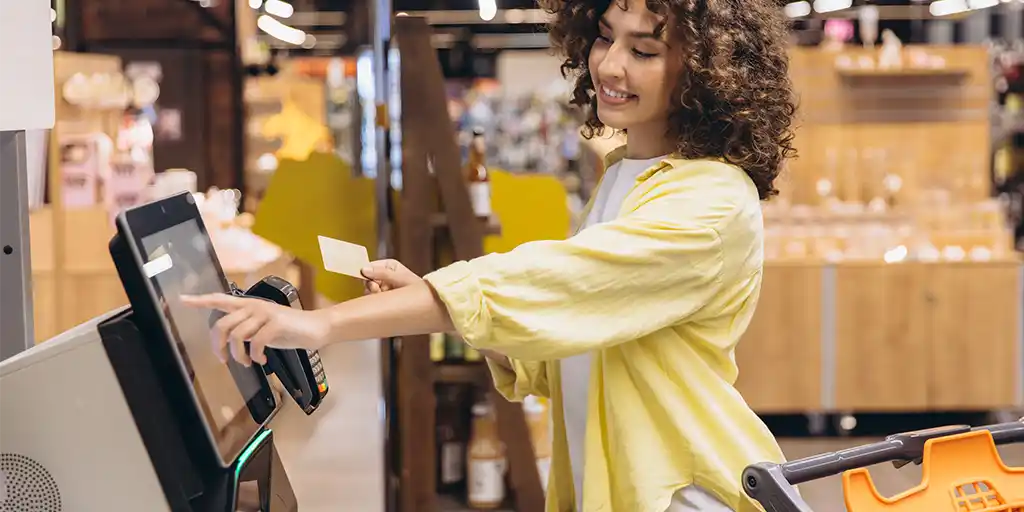
How Self-Checkout Found its Way Into Small Stores
Self-checkout itself is not new. Versions of the technology have existed since the 1980s, but it was the major supermarkets that normalised it for UK shoppers in the early 2000s. More recently, the technology has evolved again, from Scan & Go systems to checkout-free stores using cameras and sensors.
The launch of checkout-free grocery stores in the UK, including Amazon’s first “Just Walk Out” store in west London in 2021 and Tesco’s GetGo format later the same year, pushed the idea of frictionless shopping into the mainstream. While these models are expensive and complex, they’ve influenced customer expectations around speed and convenience, even in traditional stores.
What Do Shoppers Actually Think About Self-Checkouts
One thing’s for sure: public opinion on self-checkout is mixed, and often situational.
Research consistently shows that shoppers value self-checkout most for small, quick shops, particularly when queues are long. Surveys have found that more than half of UK shoppers prefer self-checkout for small baskets, while a significant minority still favour staffed tills, especially for larger or more complex shops[1].
Age also plays a role. Younger shoppers are generally more comfortable with self-serve and Scan & Go, while older customers often prefer human interaction. For convenience retailers, this reinforces an important point: self-checkout works best when it is offered as a choice, not the only option.
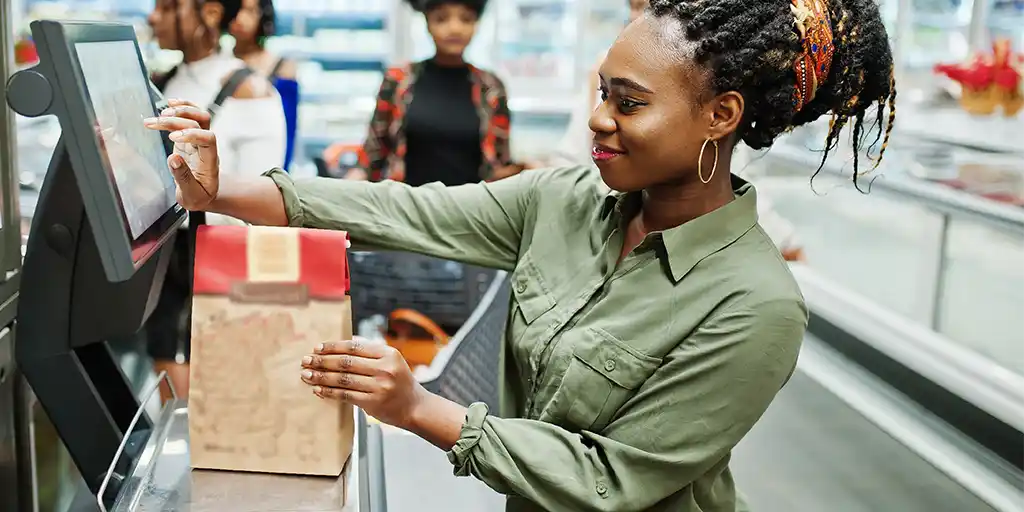
The Benefits for Convenience Retailers
When implemented well, self-checkout can deliver many operational benefits.
- Improved flow at peak times
A single self-checkout unit can absorb a high volume of low-value, small-basket transactions, particularly at lunchtime, after school and during evening top-up missions. That reduces visible queues, which in turn protects impulse sales.
- Better use of staff time
Rather than standing behind the till, staff can spend more time on the shop floor, replenishing shelves, managing food-to-go and helping customers. In smaller teams, this flexibility can make a real difference.
- Resilience during understaffed periods
For stores that are frequently single-manned, self-checkout can act as a pressure valve, keeping transactions moving without sacrificing service entirely.
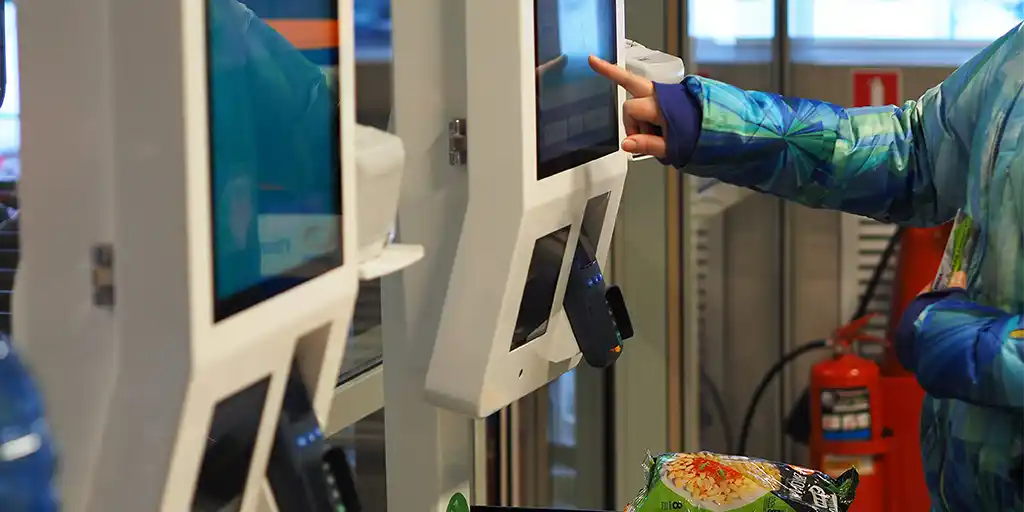
The Challenges for Convenience Retailers
- Shrink and missed scans
Loss is the headline concern. Studies have linked self-checkout to higher rates of missed scans, both accidental and deliberate, particularly in Scan & Go environments. However, other research shows that when self-checkout is well designed, well monitored and supported by staff, its impact on shrink can be neutral.
- Age-restricted sales
In convenience, alcohol, tobacco, vapes and energy drinks are everyday purchases. If age verification is slow or inconsistent, self-checkout quickly becomes a frustration rather than a benefit. Many stores find a “floating colleague” model works best, allowing approvals to happen quickly without disrupting the flow.
- Customer frustration
Self-checkout tolerance is low. Shoppers will forgive the occasional prompt, but repeated errors, unclear instructions or slow interventions erode goodwill fast. In a channel built on speed, friction is costly.
- Cost and reliability
For smaller retailers, the real question is not just the cost of the unit, but the quality of support behind it. Downtime at peak trading hours can quickly outweigh any efficiency gains.
The most successful convenience stores tend to treat self-checkout as part of a checkout mix, not a replacement for service. A small number of self-serve tills for quick transactions, supported by at least one staffed option, gives shoppers choice and protects satisfaction. Clear sightlines, simple interfaces and consistent staff training do far more to control risk than technology alone.
For smaller stores, the opportunity lies in being deliberate. Understand your peak times, your customer base and your risk profile. Introduce self-checkout to solve a specific problem, not because it feels inevitable.
When done thoughtfully, self-checkout can improve flow, support staff and meet modern shopper expectations, while still preserving the human service that keeps convenience retail personal.
[1] The Grocer: What shoppers really think about self-checkout machines revealed