
This article is based on global trend research from The Food People.
To some people, ‘use by dates’ marks a hard stop. The day where food goes bad and it’s no longer good for us to eat. For others, they’re merely guidelines. The problem for retailers is that with many products, they don’t get to make that decision. They simply have to waste the food.
According to The Food People’s latest “Next Gen Use By” report, the way we measure and communicate food freshness could be on the verge of a major shift. Rather than relying on static ‘use by’ or ‘best before’ dates, new technologies are being developed to reflect how fresh a product actually is, in real time.
Beyond the Printed Date
Traditional date labels have always been a blunt tool. They are designed to protect safety and quality, but they do not account for how a product has been stored, handled or opened.
The Food People highlight how date coding remains a ‘perplexing stamp’ for many consumers, often leading to uncertainty and overly cautious behaviour. This is backed up in the UK, where WRAP estimates that a significant proportion of household food waste is still edible, much of it linked to misunderstandings around labelling[1].
In reality, freshness is not fixed. It changes depending on temperature, storage and time since opening, none of which is reflected in a printed date.
The Food People point to the rise of smart sensors, capable of monitoring factors such as temperature fluctuations, gas composition and bacterial growth to determine freshness at an individual product level. This opens the door to dynamic date coding, where each item carries a live indication of its condition rather than a fixed estimate.
Some of the developments already being explored include:
- Colour-changing labels that signal spoilage
- Sensors that measure gases released as food deteriorates
- Smartphone-linked systems that translate data into simple freshness scores
It is a shift from predicting shelf life to actively tracking it.
Reshaping Decision Making
What makes this particularly interesting is the scale of impact.
This is not just about packaging innovation, it is about rethinking how freshness is communicated across the entire food system. From producers and retailers through to consumers at home, real-time data has the potential to reshape decision-making at every stage.
The Food People highlight how these technologies could support better stock management, reduce unnecessary waste and help redistribute surplus food more effectively.
One of the most telling insights is behavioural. Many consumers already rely on instinct, using sight, smell or taste to decide whether food is still good to eat. Technology does not replace that instinct, it validates it.
It also reflects a wider shift. As cost pressures continue and sustainability becomes more important, shoppers are increasingly motivated to waste less and make better use of what they buy.
The challenge has been trust. Dynamic freshness data could help close that gap.
A Shift is Already Happening
While much of the innovation around smart sensors is still emerging, the industry has already started to rethink how dates are used.
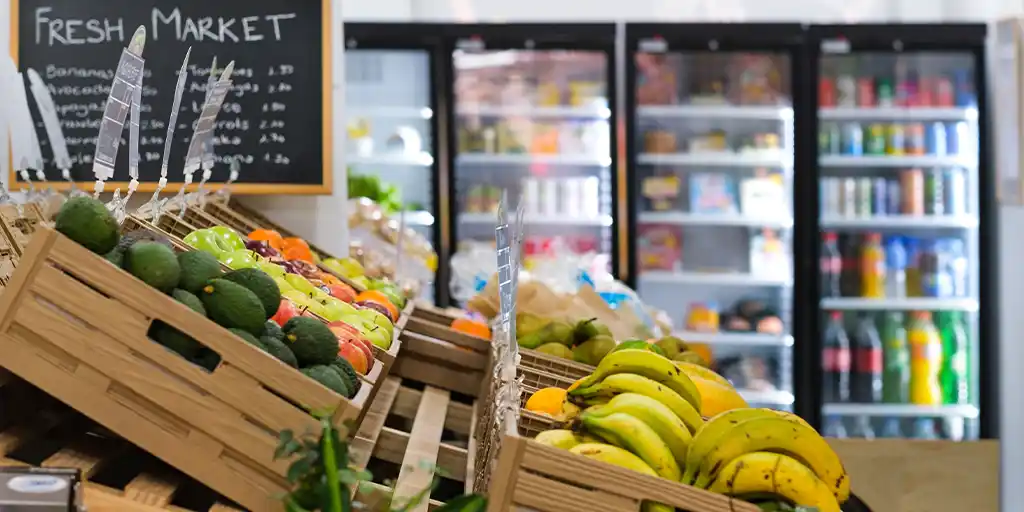
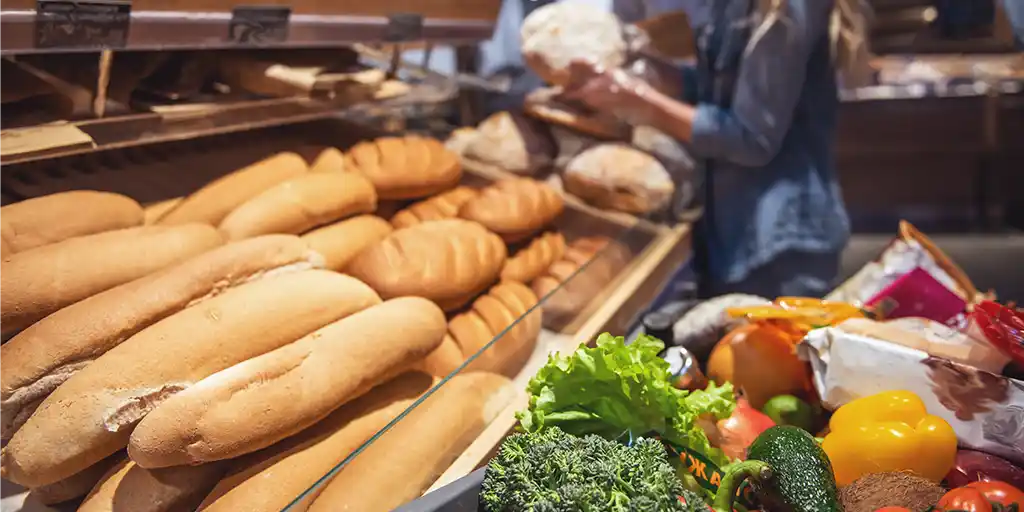
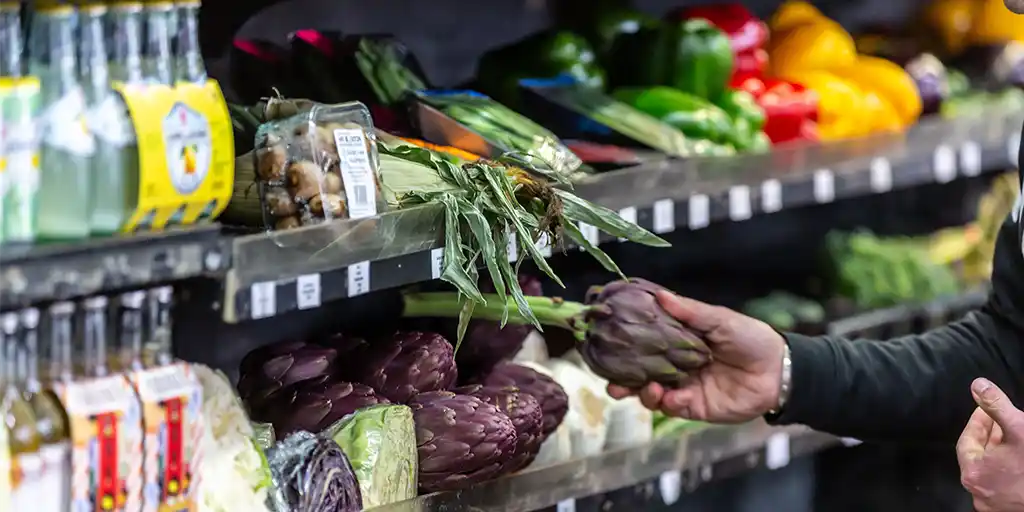
In recent years, several UK supermarkets, including Tesco, Waitrose and Marks & Spencer, have removed best before dates from hundreds of fresh fruit and vegetable lines. The aim is simple, to encourage shoppers to rely on their own judgement rather than defaulting to the bin.
The move reflects a growing recognition that fixed dates do not always reflect real freshness, particularly in products like fresh produce where shelf life can vary significantly depending on storage and handling.
It also signals a wider shift. Rather than adding more information, some retailers are taking it away to reduce confusion.
What comes next?
Traditional date labels are unlikely to disappear overnight but we’re moving in the right direction.
As smart packaging and sensor technology continue to develop, static date coding will increasingly be supported, and potentially replaced, by real-time insights.
For the convenience sector, the implications are significant. Not just in terms of waste and efficiency, but in how freshness is communicated and understood.
[1] WRAP: UK Food Waste & Food Surplus – Key Facts – 2025