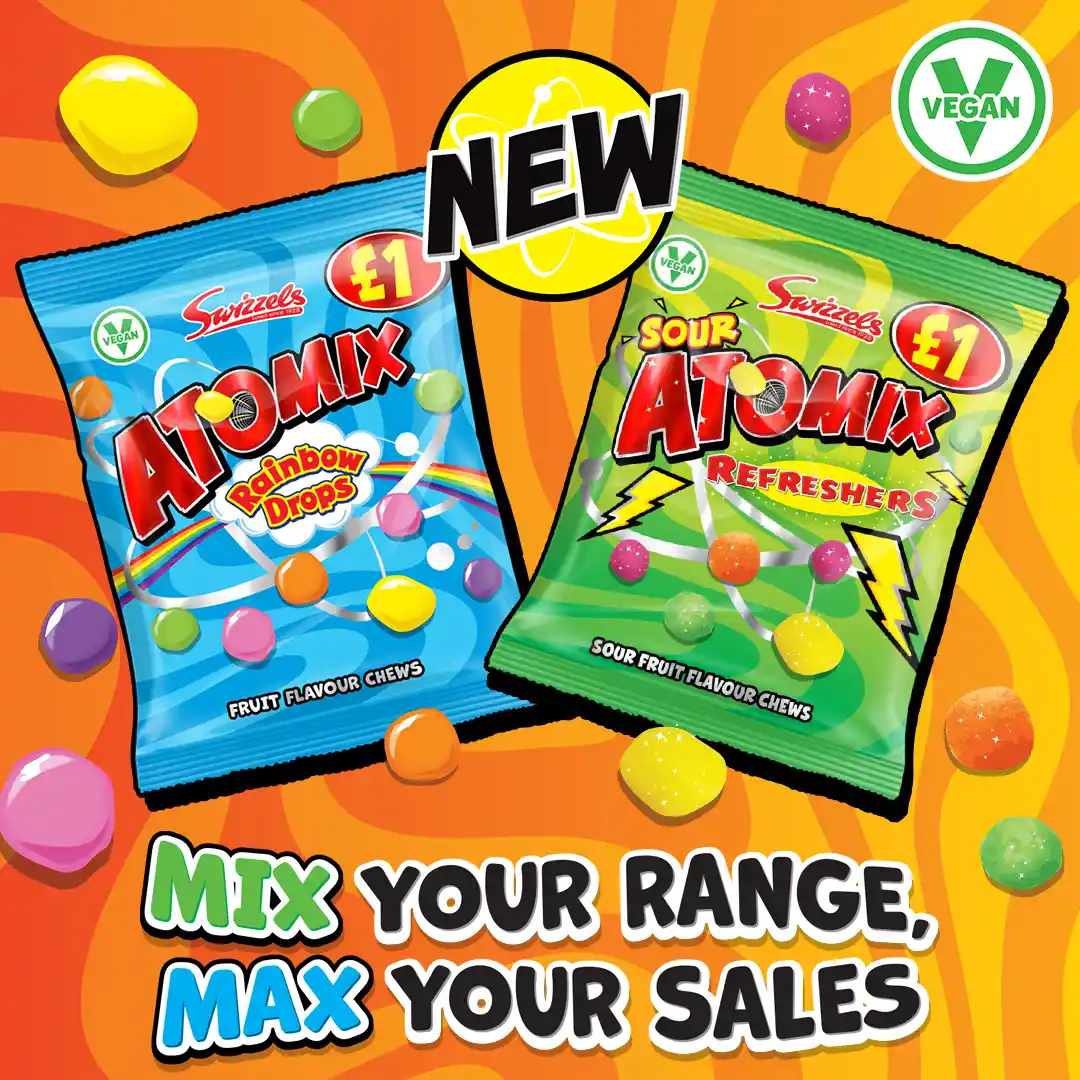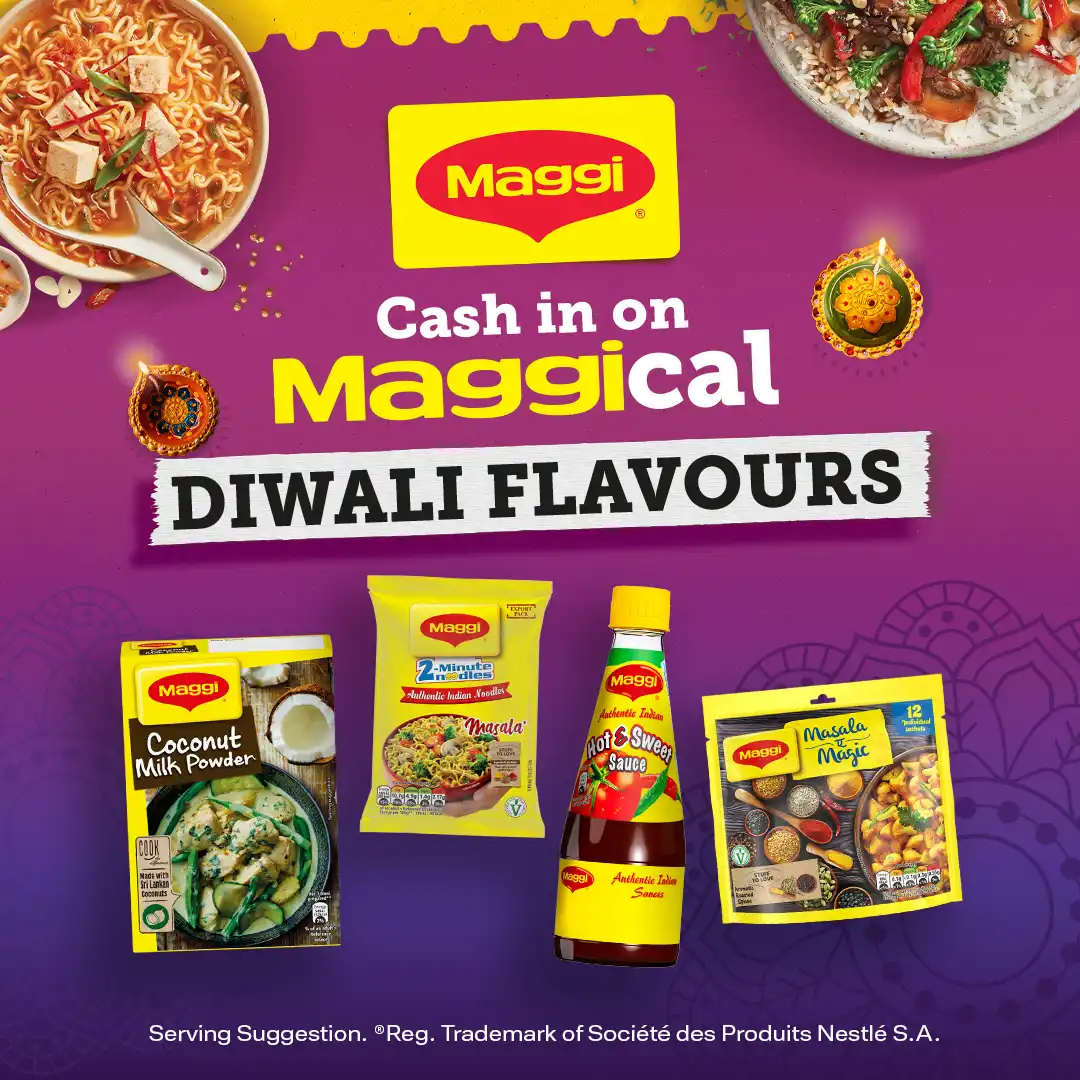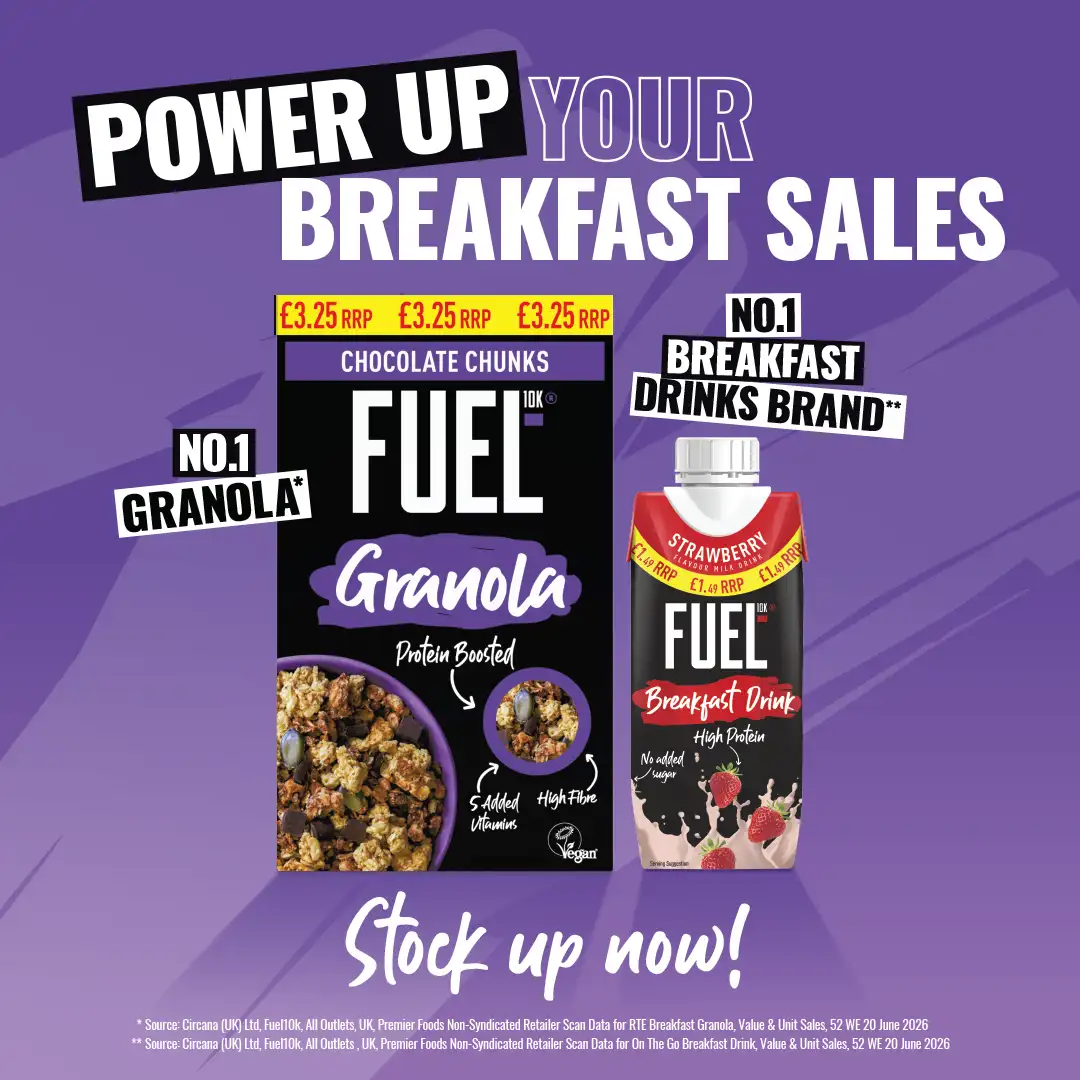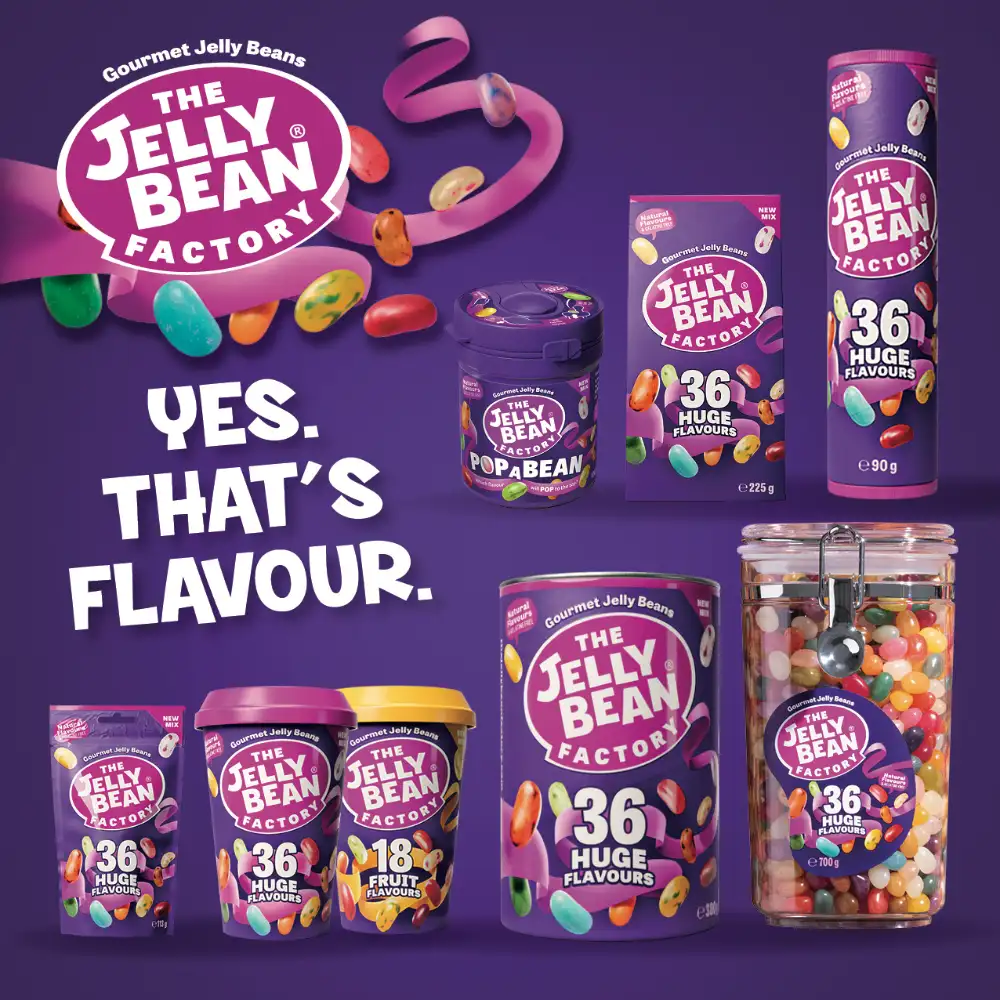



Retail media is something that convenience stores can overlook. However, it goes a long way to influencing customer decisions in-store. Retail media can look like online advertising, loyalty schemes, or in-store displays, signage and prominent placement. In other words, it is advertising that sits right at the point of purchase, where it has the greatest chance of influencing what ends up in the basket.

Why Is It Growing?
Retail media offers something traditional advertising often struggles to deliver, a clear line between spend and outcome. Brands can see whether a promotion led to a sale, not just whether it was seen. That level of accountability is driving rapid growth, particularly among larger operators such as Tesco and Sainsbury’s, both of which now run sophisticated retail media platforms built around shopper data, digital channels and in-store visibility[1].
In many ways, it has been present in convenience stores for years. The chiller by the till, the branded drinks fridge, the counter unit stacked with snacks, or the supplier-funded promotion at the front of store all serve the same purpose, placing products in front of shoppers at the moment they are most likely to buy. What is changing is not the activity itself, but how it is valued. These spaces are no longer seen simply as part of merchandising, but as assets that can be planned, prioritised and, increasingly, monetised.
What It Means For Convenience
This is where convenience becomes particularly relevant. By its nature, the channel is built around speed and frequency. Shoppers visit often, typically with a clear mission, and decisions are made quickly. That creates an environment where visibility carries significant weight. A well-placed product does not just support awareness, it can directly influence the purchase at that moment. Retail media is designed to take advantage of this type of behaviour.
For independent retailers, the implications are less about adopting new technology and more about taking a different view of the space they already have. The most valuable areas of the store are not necessarily the largest, but the ones that capture attention at key decision points, whether that is the entrance, the till area, or fixtures linked to food-to-go and evening meals. These are the moments where shoppers pause, consider and choose, and they are the moments brands are most interested in.
None of this replaces the fundamentals of retail – range, price and availability remain crucial to sales. But retail media introduces another layer, where attention itself becomes something that can be managed and, in some cases, sold.
Ultimately, retailers should be reaching out to brands and store reps to help them curate displays and adverts. We have so much at our fingertips we often don’t realise it.