


This article has been written using the latest data from TWC End of Year Summit 2025
Independent convenience is one of the most accessible retail channels in the UK. Almost eight in ten people (78%) live within a five-minute walk or drive of an independent convenience store, giving the channel a unique advantage when it comes to everyday shopping[1]. According to insight from TWC, if just one third of the UK population went out on one additional occasion per quarter, it would unlock a £1bn growth opportunity for the industry. The scale of the opportunity is significant, and it starts with encouraging small, frequent visits.
There are positive signs across the channel. The number of independent convenience stores has increased from 49,388 in 2023 to 50,486 in 2025, and symbol and fascia stores now make up 34% of the market, up from 31% two years ago[2]. While overall growth has been steady rather than rapid, the rise in store numbers reflects continued confidence in the role independent convenience plays in local communities.

Looking more closely at shopper behaviour shows where the opportunities lie. In 2025, independents and symbols accounted for 12.7% of all transactions, slightly down on the previous year, while supermarkets grew their share to 50.5%. When it comes to spend, the difference is more pronounced. Independents and symbols represent 12.7% of transactions but only 8.1% of total spend, compared with supermarkets, which account for 67% of spend. This suggests that shoppers are still using independent stores, but often for smaller, more specific purchases.
The average basket size now stands at 3.09 items, down 1% year on year, and stores are seeing around 280 transactions per day, seven fewer than a year ago[3]. With an average spend per item of £2.79, this equates to roughly £28,000 less revenue per store per year. These changes reflect how shoppers are using stores, rather than a loss of relevance.
Some of this shift is being driven by wider pressures. Rising living costs continue to influence spending habits, and competition from supermarkets, discounters and symbol groups remains strong. At the same time, traditional convenience categories are under pressure. Sales of tobacco alternatives are down 20%, tobacco 13%, commission 26%, and news and magazines 9%, while alcohol is also declining by 5%. Although vape sales have stabilised following the single-use ban, lost vape baskets have historically meant lost spend across other categories such as energy drinks, gum and alcohol[4].
Where independents continue to perform strongly is in snacking and top-up missions. Independent stores account for 49% of quick snack trips, compared with 24% for convenience multiples[5]. However, there is room to grow in other areas. Independents under-index on top-up shops and meal-for-tonight missions, where convenience multiples perform much more strongly. This highlights a clear opportunity to broaden the role of independent stores in shoppers’ daily routines.
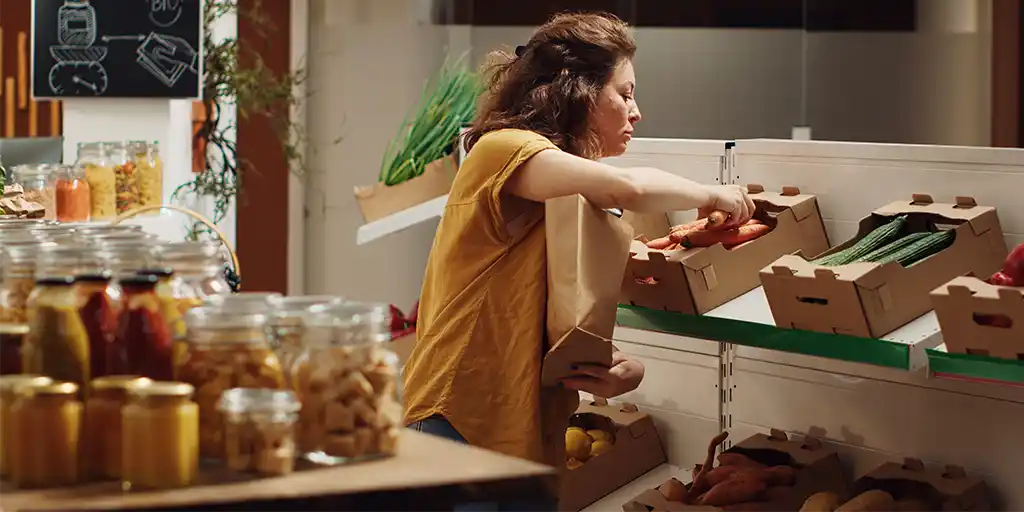
Retailers should look to enhance certain offerings, such as soft drinks, confectionery and frozen, which are currently delivering value growth, as well as spirits and RTD, which are also growing in volume. Importantly, 16% of shoppers say they would use their local independent convenience store more if it introduced new products more quickly, underlining the importance of speed and relevance[6].
Awareness is another area where the convenience sector as a whole can do more. While 78% of people live close to an independent convenience store, typical monthly usage is only around 20%. More than half of consumers say they never use their local independent store, and 48% say they don’t know what it sells[7]. This gap presents a clear opportunity to communicate the offer more clearly and give shoppers stronger reasons to visit.
So, is the £1bn growth opportunity realistic? TWC believes it is. With most people living close to an independent store, strong snacking behaviour and clear demand for new and relevant products, the foundations are already in place. By broadening shopping missions, launching new products faster and using data and insight to better match ranges to shopper needs, independents and wholesalers can encourage more frequent visits.
Even one extra visit per quarter may feel small, but across millions of shoppers it quickly adds up. For independent convenience, is where the next phase of growth will come from?
[1] Source: TWC Research 2025 n=754
[2] Source Channel track
[3] Source: SmartView. Convenience I-TG International Services Ltd in partnership with TWC w/e 05.10.2025 *Excluding Commission & Other
[4] Source: SmartView Convenience I-TG International Services Ltd in partnership with TWC w/e 05.10.2025
[5] TWC-End-of-Year-Summit-27th-November-For-Release.pdf
[6] TWC Research 2025)
[7] TWC-End-of-Year-Summit-27th-November-For-Release.pdf