

The pace of discounter expansion in the UK doesn’t show any sign of slowing down. If anything, it’s becoming more visible, more local, and more relevant to everyday shopping habits.
Both Lidl and Aldi continue to grow their footprint, with Lidl alone outlining plans to open around 50 new UK stores as part of a £600m investment[1]. If you’re a retailer who is already close to a discounter, you’ll know the pressures this can add to your everyday business.
Discounters have reshaped how customers think about value. Even shoppers who don’t regularly do a full shop at Aldi or Lidl are still influenced by their pricing. They’ve effectively set a benchmark. A good example is Sainsbury’s, who offer an ‘Aldi Price Match’.
That doesn’t mean independents need to match those prices across the board. But it does mean being aware of how price perception is formed, especially on key everyday items.
Where Independents Are Most Exposed
There are three key areas where discounters will always have the edge: large basket, weekly shops, bulk buying and multi-buy deals, and highly price-driven categories. Trying to compete head-on in these spaces is difficult, and often comes at the expense of margin.
The opportunity lies in playing a different game, one that better reflects how convenience retail actually works. Retailers have to play into their strengths.
Speed and convenience
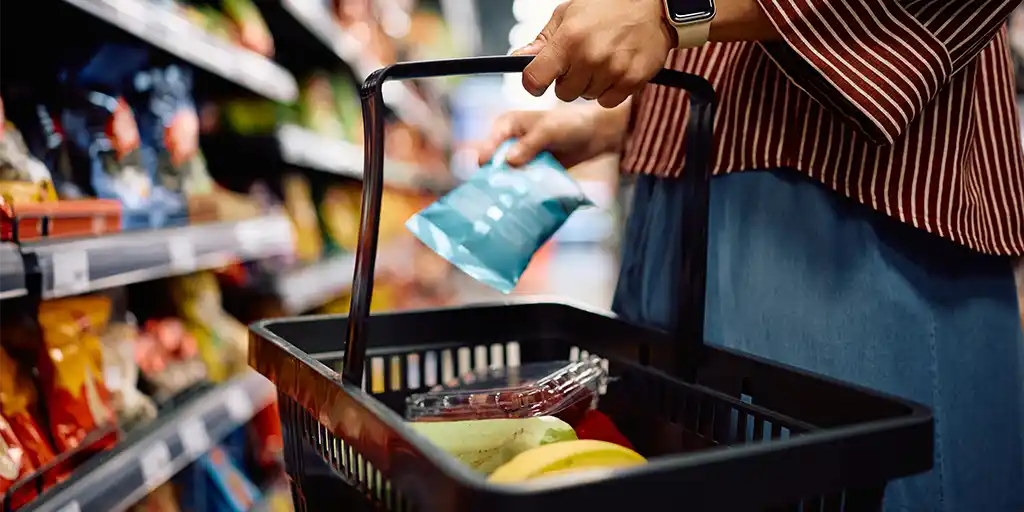
Most convenience visits aren’t planned weekly shops. They’re top-ups, quick purchases, or immediate needs. Location, ease, and speed matter more than saving a few pence on a basket.

A curated range
Discounters are efficient, but they’re not always flexible. Independent retailers can be more selective, focusing on the products that sell, rather than stocking for scale. A tighter, better-performing range often drives stronger returns.
Local relevance
This is where independents have a clear advantage. Local products, community favourites, and a sense of familiarity can’t easily be replicated at scale.
Service and personality
It’s easy to overlook, but it still matters. A quick recommendation, a familiar face, or simply a well-run store can make a difference in repeat visits and loyalty.
According to Kantar, discounters continue to hold a significant and growing share of the UK grocery market, reinforcing their influence on pricing and shopper expectations [2]. But share doesn’t equal dominance in every mission. Convenience still plays a distinct role, as does brand trust – which are often to areas that discounters can’t match.
It seems the future is set: discounters will continue to expand. But for independent retailers, success doesn’t come from copying that model, it comes from doubling down on what makes them different, and making it count.
[1] The Guardian: Lidl to open 50 UK stores in year ahead – and its first pub
[2] Kantar UK grocery market share data, 2025–2026 trends