
Flowers are often a last-minute purchase, picked up by customers for birthdays, anniversaries or on their way to a dinner party or gathering. But we’re also seeing a shift in people treating themselves too – 72% in fact.
New research from shopper insights platform Vypr found that almost three quarters of UK consumers (72%) buy cut flowers in person, for themselves, and around two thirds (62%) buy flowers in-store to give to someone else, presenting convenience stores with a valuable opportunity to increase basket spend.
Historically, flowers were often seen as difficult to manage. Waste, short shelf life and inconsistent demand made them feel risky compared with core grocery lines. But shopper habits have changed. Convenience has become more mission-led, with stores increasingly competing on food-to-go, evening meals, and top-up shopping rather than just emergency purchases.
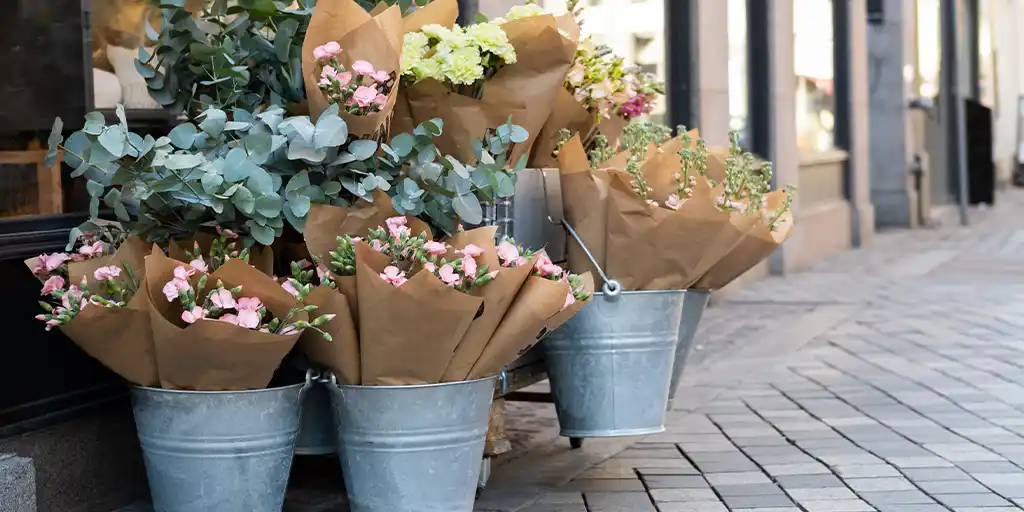
Flowers fit naturally into that environment. They sit in the same space as premium ready meals, chilled desserts and wine, and categories built around treating, hosting, gifting, and creating small moments at home.
The rise of ‘little luxuries’ is also helping drive demand. Even as household budgets remain under pressure, shoppers are still looking for affordable ways to improve mood and home environments – flowers fit that need: Indulgent, but still accessible.
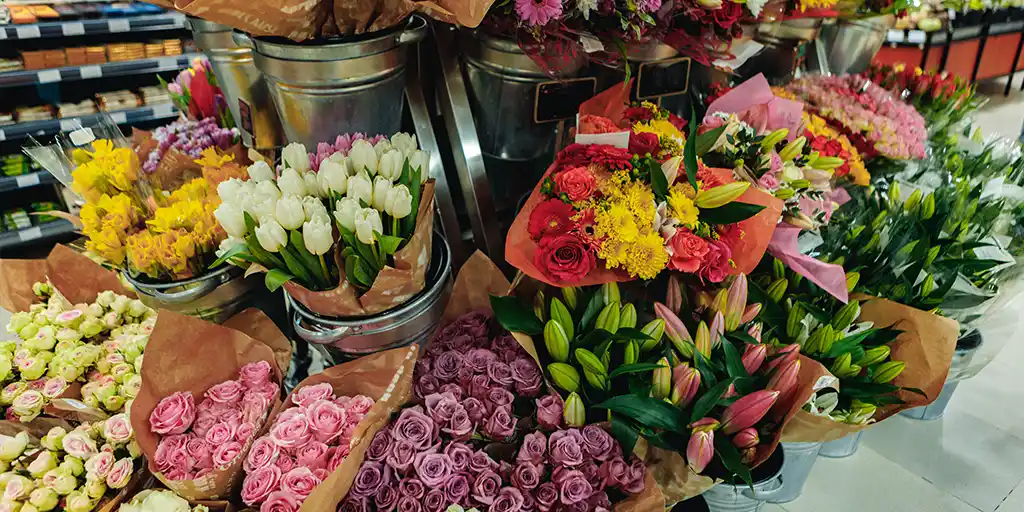
With all of this in mind, visibility truly does matter. Flowers are highly visual products and are either impulse-led by nature or purchased last minute. Placement near entrances, tills or meal-for-tonight zones can make a significant difference to sales – some customers will simply drive past convenience stores on their way to an event, waiting until they see flowers to pull over.
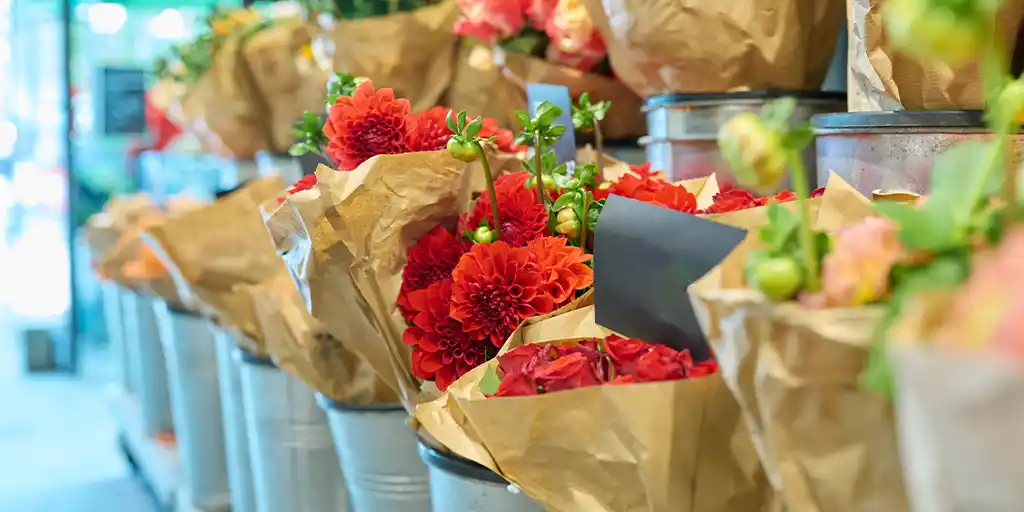
Presentation is equally important. Successful retailers tend to keep ranges simple, fresh and seasonal, rather than trying to replicate a florist. Mixed bouquets, bright seasonal stems and clear pricing often perform best because shoppers want speed and confidence in the purchase.
Flowers create an opportunity not necessarily to compete with florists, but to serve a different mission altogether: they’re quick, accessible and impulse-led.
As convenience retail continues to evolve beyond purely functional shopping, flowers are becoming part of a wider movement towards atmosphere, theatre and lifestyle-led purchasing. A bouquet by the entrance may seem like a small addition, but it can go a long way to increasing basket spend.