

Inflation has become part of the everyday backdrop for shoppers. While the sharp shocks of recent years have eased, prices remain higher than many consumers are used to, and that continues to shape how people make decisions in store. Rather than retreating, shoppers are adapting, becoming more deliberate about what they buy, how often they shop and where they see value.
For convenience retailers, this shift in buying habits means they need to start adapting too. Understanding how inflation influences behaviour allows store owners to respond in ways that build trust, protect margin and stay relevant, without leaning into negative messaging.
What Inflation Means For Shoppers
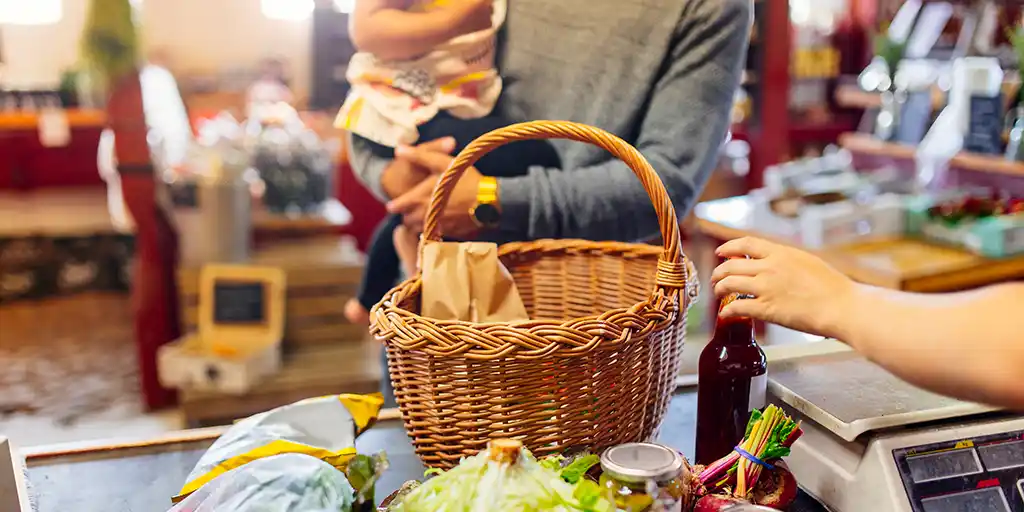
UK inflation has moderated, but food and drink prices remain elevated compared with previous ‘norms’. Data from the Office for National Statistics (ONS) shows that while the pace of price increases has slowed, the cumulative impact on household budgets is still being felt.
As a result, shoppers are more intentional. They are planning purchases more carefully, managing waste and thinking harder about which products genuinely earn their place in the basket. In convenience stores, where speed and necessity often drive visits, this has raised expectations around clear pricing, strong availability and fairness.

Value Has Taken On A Broader Meaning
One of the clearest changes is how shoppers define value. Price remains important, but it is no longer the sole consideration. Value now includes quality, usefulness, longevity and emotional satisfaction.
Research from Mintel shows that consumers are increasingly comfortable making trade-offs. They may economise in some areas to preserve spending in others, particularly on small, everyday treats or products that improve convenience and quality of life.
This behaviour plays directly to the strengths of the convenience channel. Shoppers are not looking to eliminate enjoyment, they are looking to make smarter choices.
How Baskets And Missions Are Shifting
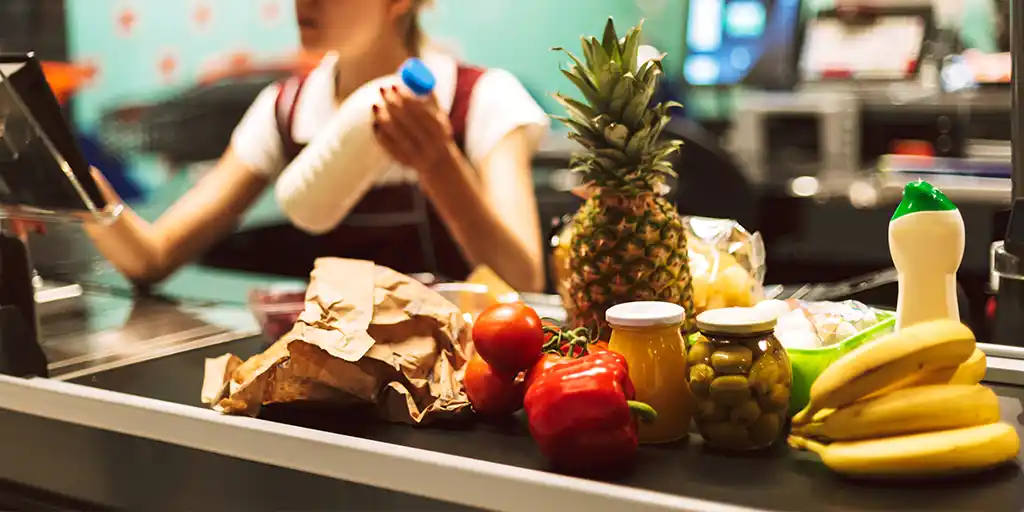
Inflation has influenced not just what shoppers buy, but how they shop. Many consumers are spreading spend across multiple smaller visits rather than relying on one large weekly shop. This allows tighter control of cash flow and reduces food waste.
Figures from the Association of Convenience Stores (ACS) show that top-up and distress missions continue to underpin convenience footfall. Inflation has reinforced these missions, increasing demand for immediate solutions such as tonight’s dinner, food-to-go and snack purchases.
For retailers, this places greater importance on getting the basics right, availability, range clarity and speed of decision at shelf edge.
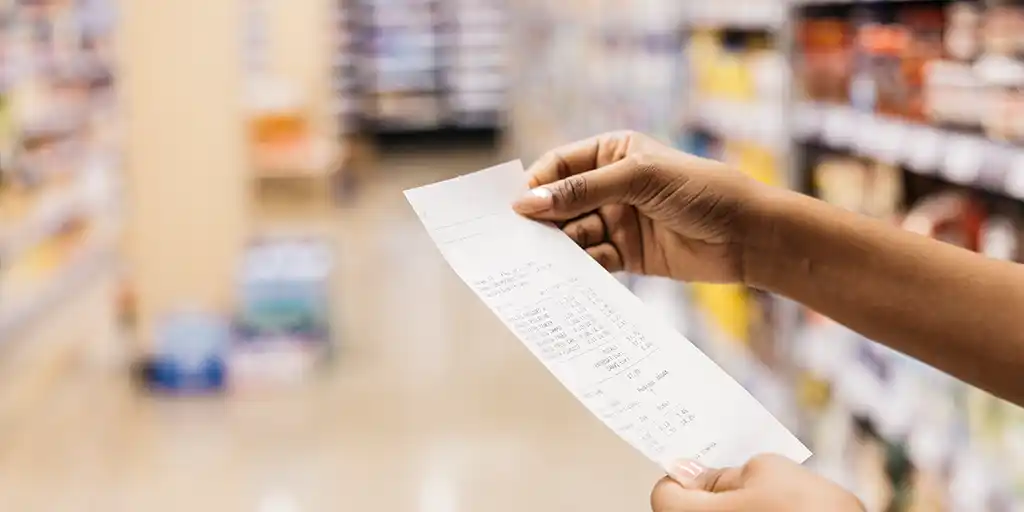
Shoppers Still Respond To:
- Clear and transparent pricing
- Simple, easy-to-understand offers
- Products that save time or effort
- Affordable treats that feel justified
Confusion is one of the biggest turn-offs. Complicated promotions, unclear signage or poor shelf standards can quickly undermine confidence in an inflation-aware environment.
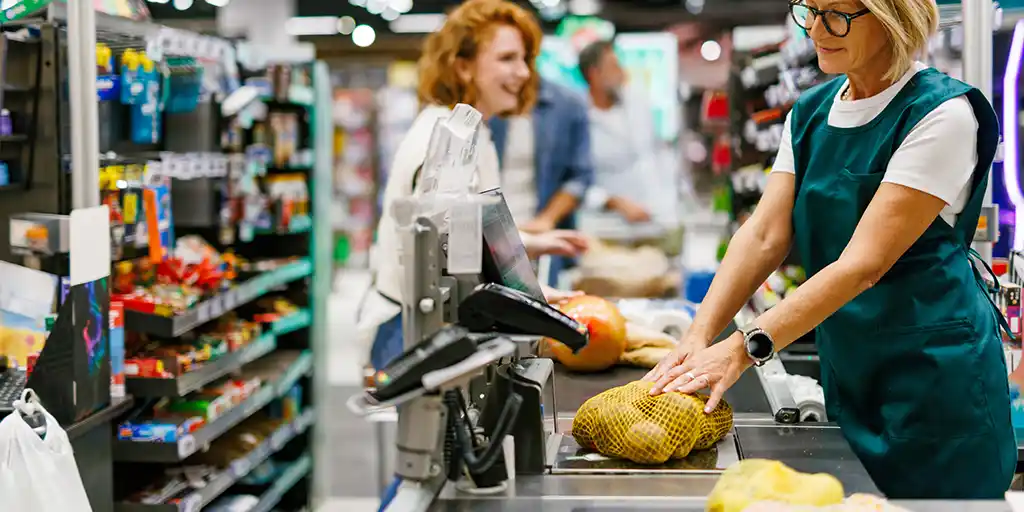
How to Stay Ahead
Retailers navigating inflation most effectively are adapting thoughtfully rather than defensively.
- Prioritise clarity
Clean layouts, strong pricing communication and logical product groupings help shoppers feel in control of their choices.
- Offer choice across price points
A mix of price-marked packs, standard ranges and premium options allows shoppers to trade up or down without friction.
- Focus on everyday solutions
Meal-for-tonight, lunch and snacking occasions remain resilient and frequent, making them key drivers of repeat visits.
- Use promotions with intent
Targeted promotions on trusted lines build credibility and loyalty more effectively than blanket discounting.
- Keep the tone constructive
Messaging that emphasises smart value, good choices and convenience resonates more strongly than language focused on cutting back.
Inflation will continue to influence purchasing decisions, but it is no longer defining them entirely. As consumers adapt, they are looking for retailers that make shopping simpler, fairer and more rewarding.
For convenience store owners, staying ahead means understanding these shifts and responding with clarity, balance and confidence. By focusing on value in its broadest sense, retailers can meet changing expectations and build long-term loyalty in an inflation-aware world.