
If ever there was a moment for convenience retailers to lean into low and no alcohol drinks, it is right now. The UK is seeing a meaningful shift in drinking habits, driven by health trends, moderation campaigns such as Dry January, and a general preference for better quality experiences without the booze. For convenience stores that get it right, this presents a real chance to grow footfall, basket size, and margins.
According to Mintel, the UK low and no alcohol drinks market was worth about £413 million in 2025, with more than half of UK adults having drunk low or no alcohol beer, wine, cider, spirits or cocktails in the past year. Growth is expected to continue through to 2030[1].
Moreover, in 2025, over half (53 percent) of UK adults consumed a low or no alcohol drink, with consumers seeking out alternatives to bring balance to their usual rituals[2].
The low and no category is one of the most dynamic sectors, driven by real momentum. While a few consumers are avoiding alcohol altogether, most of the people who consume low and no alcohol drinks are those who are moderating rather than abstaining entirely, and who want better tasting alternatives that still feel like a sophisticated drink.
Dry January is the Catalyst
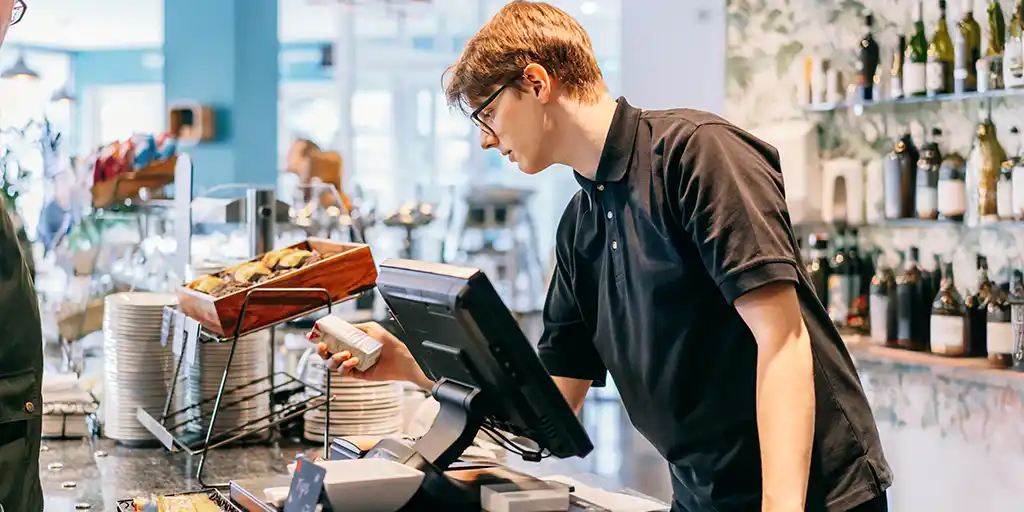
Dry January remains one of the most visible seasonal moments for no and low alcohol. About 17.5 million Brits, almost one in three adults, get behind the campaign each January, according to polling data from Censuswide by Alcohol Change UK (ACUK).
But the trend now stretches beyond the first month of the year. The same research shows no and low sales bump in December and other parts of the calendar, as shoppers buy into moderation year-round.
If you were thinking about testing out the low and no alcohol opportunity in your store, January is the time to do it. After an indulgent Christmas season, many people use January as a time to reset, reducing or totally stopping their alcohol consumption for a month. This is the perfect time to trial new products in store and even speak to shoppers about which brands they’d like to see.
Why consumers are buying low and no
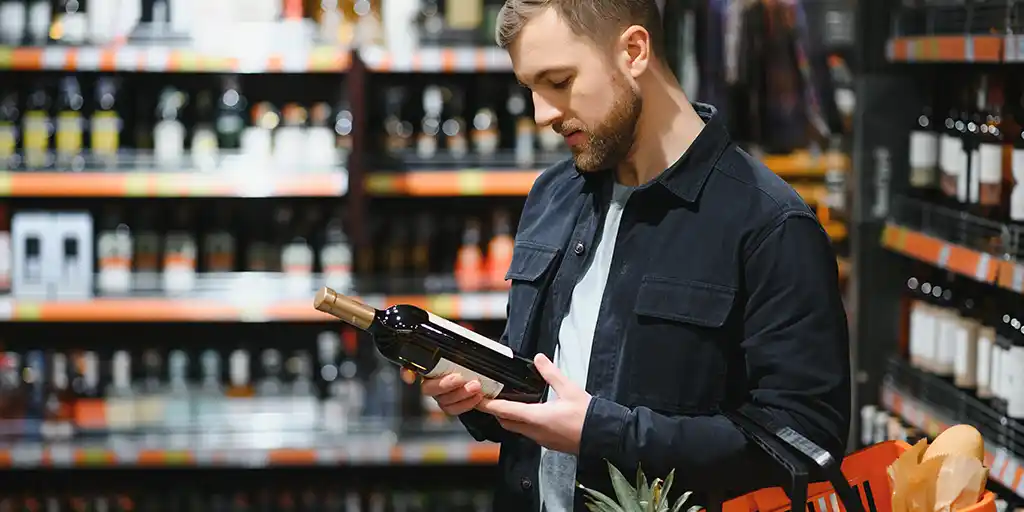
Understanding the motivations behind low and no alcohol purchases will help shape your retail strategy:
- Health and wellbeing: A large share of drinkers are moderating for health reasons and see now and low as a legitimate, enjoyable choice rather than a compromise.
- Relaxation without the hangover: A significant proportion of adults now perceive non-alcoholic drinks as an acceptable alternative when looking to relax, or as part of social occasions.
- Occasion versatility: Many consumers now drink both standard and no and low drinks on the same occasions – a new way of drinking called ‘Zebra Striping’ – which suggests opportunity for cross-selling and pairing options with food or snacks.
This goes beyond Dry January into everyday moderation and into weekend socialising, special occasions, and seasonal events.
Practical Ways to Turn These Trends Into Sales:
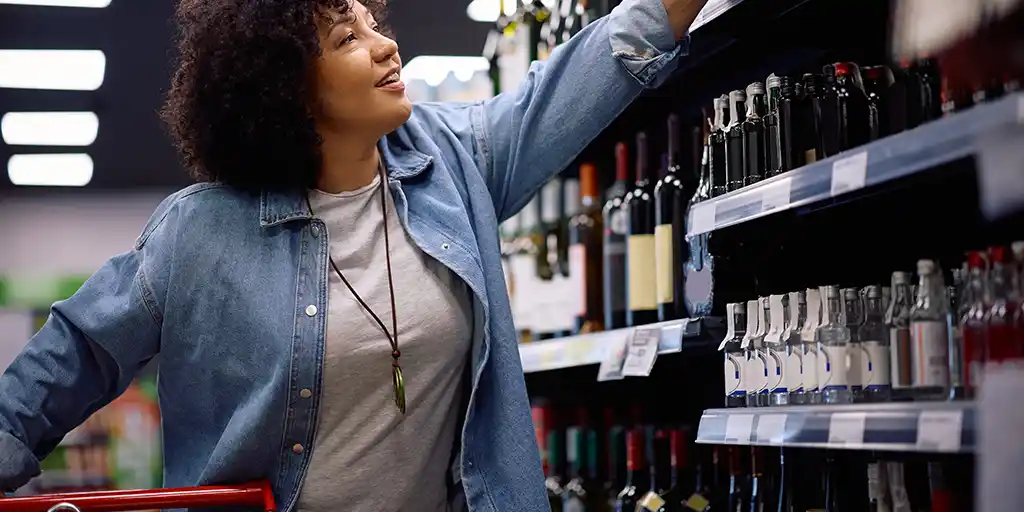
- Feature no and low alcohol where people expect it
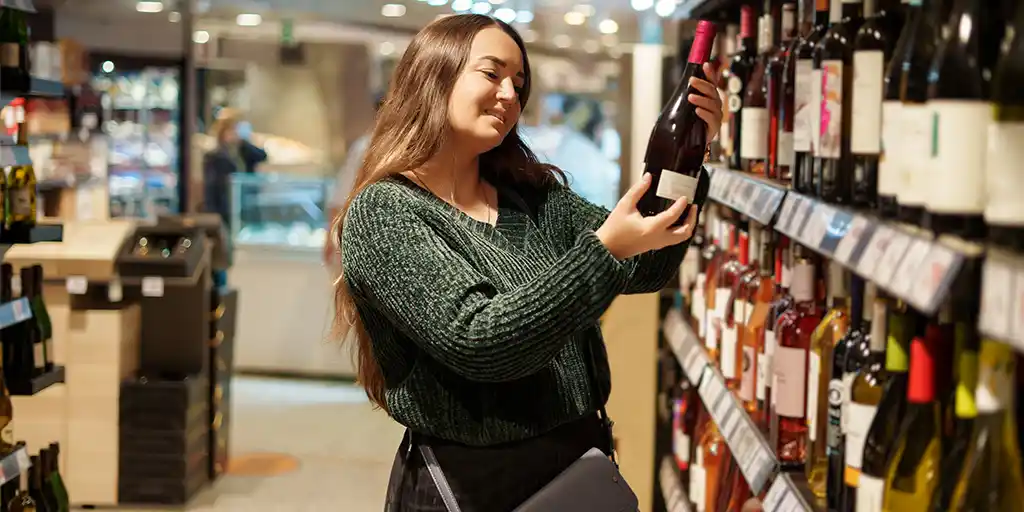
Place no and low alcohol alongside traditional beer and cider, but also consider secondary sites near soft drinks, mixers and grab-and-go meals for customers limiting booze on a weekday night.
- Highlight quality over “substitute” language
As products improve in quality, emphasise flavour and experience in your signage rather than positioning no and low as a lesser option.
- Tie into calendar moments beyond January
Dry January should be the kick-off, and the rest of the year then follows: Mother’s Day, summer BBQs, seasonal events, celebrations, bank holidays, sports like the Six Nations. All of these occasions offer touchpoints to promote low-alcohol wine, zero spirits mixers and premium non-alcoholic beer.
- Use pricing and packs to drive trial
Multipacks, deal signage and pairing with snacks or mixers can nudge trial among regular drinkers and Dry January participants alike.
Low and no alcohol is a category built on choice, not just abstinence. Dry January brings attention, but the broader trend toward moderation, quality and experience means convenience stores that merchandise thoughtfully and promote the category all year can capture new shoppers, deepen loyalty and boost basket spend. With solid data backing growth and consumer behaviour shifting for the long term, this is one of the smarter segments to invest in right now.
[1] UK Attitudes towards Low- and No-Alcohol Drinks Consumer Report 2025
[2] UK Attitudes towards Low- and No-Alcohol Drinks Consumer Report 2025