

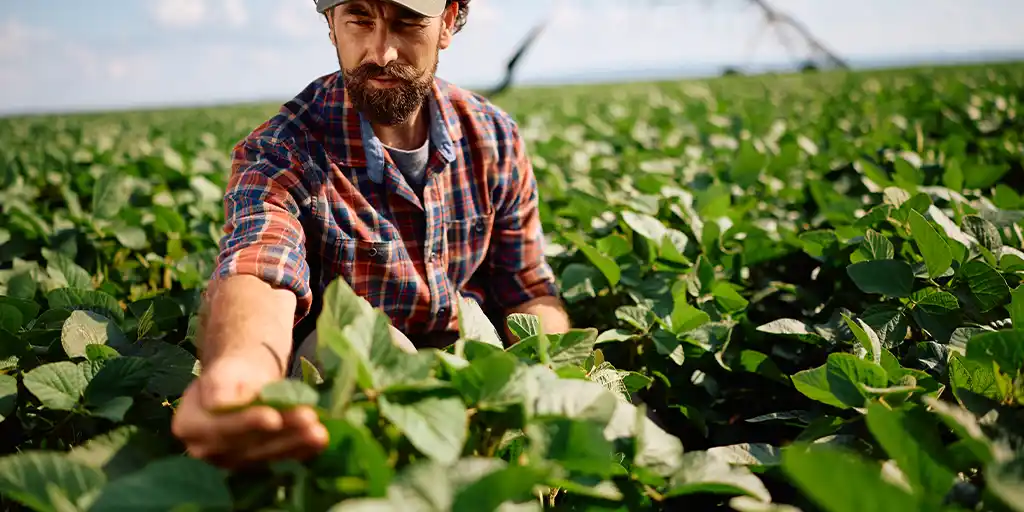
Regenerative farming often makes its way into the spotlight, particularly in industry reports and agriculture. Over the last year, however, conversation has slowly shifted to food and drink, with regenerative farming becoming even more prominent in the retail space than ever before.
As highlighted recently by The Grocer, Regenerative farming is gaining momentum fast. IT states that globally, products carrying regenerative claims have grown by around 44% between 2021 and 2025, as brands position it as the next step beyond organic or carbon labelling. The challenge for retailers is working out what that actually means in-store.
At its simplest, regenerative farming focuses on improving soil health, increasing biodiversity, and reducing reliance on artificial inputs. It’s about leaving the land in a better state than it was found.
But while the concept is strong, customer awareness is still catching up. Shoppers aren’t actively searching for ‘regenerative’ in the way they might for organic or local.
What they do respond to is what sits behind it: quality and taste, clear provenance, and products that feel like a better choice.
Where Regenerative Farming Fits On The Shelf
In most cases, regenerative products sit within a mid-to-premium space. They often sit alongside organic, local, or higher-quality branded lines, which means they need to earn their position.
Regenerative products offer a point of difference and independent retailers are in a particularly strong position to test out what products work in store. Moreover, they can add signage and even train staff to speak to customers, so they understand the benefit of choosing products from this section.
As momentum builds, it aligns with broader shifts in shopper behaviour. Research from Mintel shows 41% of UK adults try to make environmentally friendly choices when shopping, although price remains a key barrier[1]. This is where it’s important to understand your audience and customer base before creating your range.
That said, there’s currently no single agreed definition, and standards vary between brands. For retailers, that creates a balancing act, there’s opportunity, but also a need to be careful about clarity and credibility.

Making It Work In-Store
Retailers don’t need to explain regenerative farming in detail. They just need to make it make sense.
Here are a few practical approaches:
- Keep messaging simple: focus on outcomes like soil health or biodiversity
- Connect it to quality: taste and provenance still drive decisions
- Start small: test a handful of lines before expanding
- Use support where possible: supplier materials, shelf talkers, or team knowledge
- The goal is to remove friction, not add to it.
Regenerative farming might begin with how food is grown, but its success depends on how it’s sold. For retailers, this is less about chasing a trend and more about recognising a shift in how products are positioned. Used well, it can add depth to a range, create a point of difference, and tap into evolving customer expectations without overcomplicating the offer.
[1] Mintel: UK Sustainability in Food Market Report 2025