

As the UK moves into spring and temperatures begin to lift, shopper behaviour starts to shift in ways that are both predictable and commercially significant. For retailers, particularly in convenience and impulse-led environments, understanding these patterns can unlock incremental sales without major changes to ranging.
One of the clearest trends is the move towards more frequent, smaller shopping trips. Warmer weather reduces the need for large, stock-up missions, instead encouraging top-up visits driven by immediate need or occasion. According to Kantar, UK shoppers have increasingly favoured little-and-often purchasing habits in recent years, a trend that becomes more pronounced during milder periods when fresh food, snacks and drinks are bought closer to the point of consumption[1] – think picnics and BBQs.

This behavioural shift is particularly relevant in the run-up to Easter. With longer days, school holidays and more social occasions, shoppers are less rigid in their routines. Retailers can benefit by focusing on availability, speed of shop and strong visibility of key seasonal lines rather than relying solely on bulk promotions.
Drinks and ice cream are two categories that see an immediate uplift as temperatures rise. Even modest increases in temperature can trigger demand spikes, especially in impulse formats.
Soft drinks, RTDs and lighter alcohol options also come into play, particularly as shoppers begin to spend more time outdoors. Easter acts as an early anchor moment for this, with friends and families coming together for dinners, lunches, BBQs and picnics. Positioning these categories prominently, near entrances or alongside food-to-go, can help drive basket add-ons.
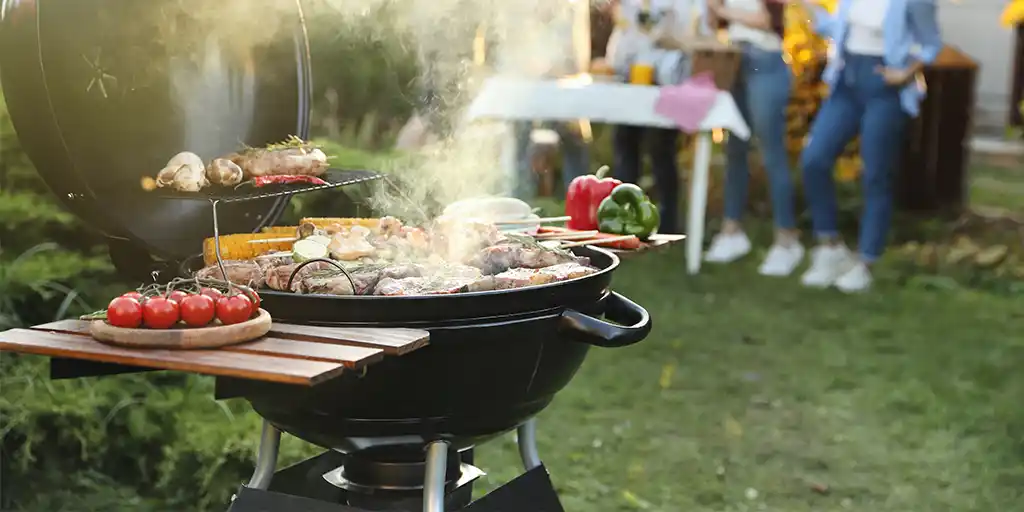
“This seasonal uplift in social occasions reinforced the importance of convenience stores as a quick and reliable solution for last-minute gatherings, highlighting their role not only in top-up shopping but also in meeting lifestyle-driven demand,” said a Lumina Intelligence statement.
Another noticeable shift is the rise in evening shopping. Longer daylight hours naturally extend the trading window, with shoppers more likely to visit stores later in the day, often on the way to social gatherings or for last-minute purchases. Data from the Association of Convenience Stores (ACS) highlights that convenience stores are particularly well placed to benefit from this trend, with many shoppers valuing proximity and speed during evening missions[2].

This creates an opportunity to rethink in-store theatre. Simple changes, such as secondary sightings of chilled drinks, snacks and seasonal confectionery, can better align with these later-day missions. Easter confectionery, for example, is no longer just a planned purchase, it increasingly plays into sharing, gifting and spontaneous occasions that go beyond sweets and chocolate and into fresh food.
Warmer weather shifts shopping from planned to reactive, from bulk to impulse, and from daytime to extended hours. Retailers who adapt their merchandising, availability and visibility accordingly can capture these moments more effectively.
As Easter approaches, the focus should not just be on traditional seasonal lines, but on how shoppers are behaving around them. It is less about what is on shelf, and more about when, where and how it is presented.

[1] Consumers shopping little and often as temperatures and prices rise – June 2025