


Local convenience stores have always been part of the fabric of British life, but new data shows they matter more than ever. With rising costs, shifting consumer habits and the retreat of essential services in many places, community stores are becoming the hubs people rely on. In fact, new data from ACS, Plunkett UK and the wider industry shows that community stores are still the backbone of many towns and villages.
Here’s what you need to know:
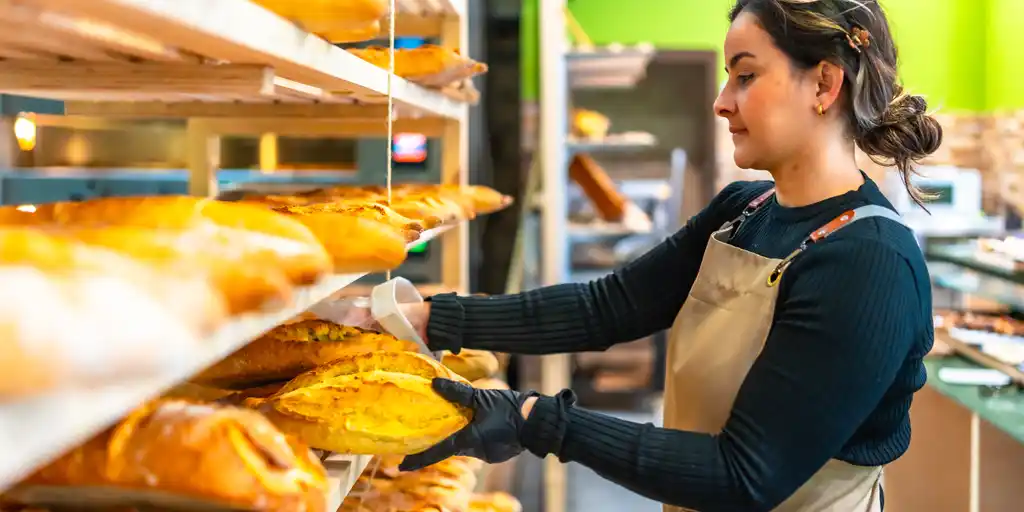
A Sector That Underpins Local Economies
Local stores are one of the biggest contributors to UK retail and local employment, and remain one of the most important pillars of day-to-day shopping, from last-minute top-ups to essentials and distress-purchases. Some customers are willing to pay 33% more to support their local shop instead of shopping online and at chains[1].
According to the ACS Local Shop Report 2025:
- Around 50,000 local shops operate across the UK
- The sector generates £48.8 billion in sales
- It supports 443,000 jobs
- Shops contribute over £10.5 billion in GVA to the economy

Community Stores Are Stepping Into Bigger Roles
The modern convenience store is no longer just a place to buy milk or bread, it’s becoming a local service hub built around saving customers time. This is why convenience stores are repeatedly ranked as one of the top three essential community services, right alongside pharmacies and post offices.
This is what shoppers now rely on their community store for[2]:
- Parcel pick-up and drop-off
- Bill payments and essential services
- Cash access
- Prescription collections
- Coffee and food-to-go
- Home delivery in some areas
Convenience stores now rank among the top three most essential services in communities, right alongside pharmacies and post offices.

Why Rural Stores Are Becoming Lifelines
Many rural communities simply ‘could not function’ without their local shop – Plunkett’s Future of Rural Retail 2025
In rural areas, the village shop is often the difference between having access to essential services and having none at all. With banks disappearing and post offices either closing or merging with convenience stores, convenience stores are growing in importance.
These stores provide the only access to:
- Everyday groceries
- Prescriptions
- Postal services
- Cash and basic banking
- Delivery and parcel points
- A place for social contact

The Biggest Challenges Stores Are Facing
Despite their importance and support, many local shops are under pressure, with rising costs and supply challenges threatening long-term sustainability.
Challenges include, rising wage and energy costs, difficulty accessing certain supply lines,
reduced investment and increased competition from online retailers and delivery apps – and all the while customer expectations continue to rise.
So what can retailers do?
Even with tight margins, there are areas that successful retailers can and are already leaning into to cement themselves as an important part of the local community.
- Expand your proposition
Customers respond well to shops that go beyond the minimum. From stocking more local produce to premium or specialty lines, better food-to-go and ready meals offerings, and seasonal gifting lines.
- Add time-saving services
More and more retailers are offering parcel lockers, community boards, refill stations or coffee-to-go to increase footfall.
- Position yourself as a community hub
Simple actions like charity partnerships or hosting local events can strongly influence customer loyalty.
The economic and social case for supporting local stores is stronger than ever. Community shops hold communities together, especially in rural areas where alternatives are limited or disappearing.
Every part of the ecosystem, from wholesalers to councils to local customers, plays a role in keeping these shops open. Whether in a city estate, a coastal town or a rural village, local stores are becoming the heart of community life. People need them. Communities rely on them. And the retailers who evolve with these needs are the ones who will thrive in the years ahead.
[1] Direct Commerce: Research reveals Brits spending more to shop local
[2] ACS Local Shop Report 2025 | PlunkettUK The Future of Rural Retail