
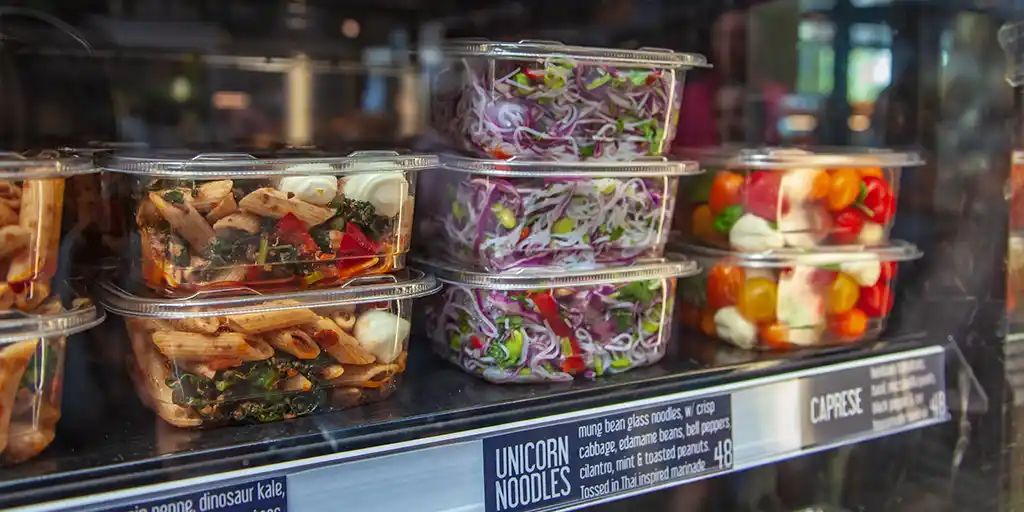
Food-to-go has become one of the most important growth areas in convenience retail, but the picture across the UK is varied. Some stores are ahead of the curve with strong ranges and steady footfall, while others are still finding their footing.
What’s consistent is the demand. Shoppers want quick, good-quality food they can eat now, not later. They want choice, value and speed, and they are building these habits into their daily routines.
As a result, food-to-go is expanding well beyond the classic meal deal, and the retailers who adapt to this shift are the ones seeing the clearest returns.
And while the classic £3.50 to £5.00 meal deal still has its place, growth is being driven well beyond it. Consumers want more choice, better quality and new reasons to visit throughout the day. As such, the UK food-to-go market is expected to reach £24 billion in 2025, rising about 3.3 percent year on year, showing that demand is only getting stronger[1].
Meal Deals
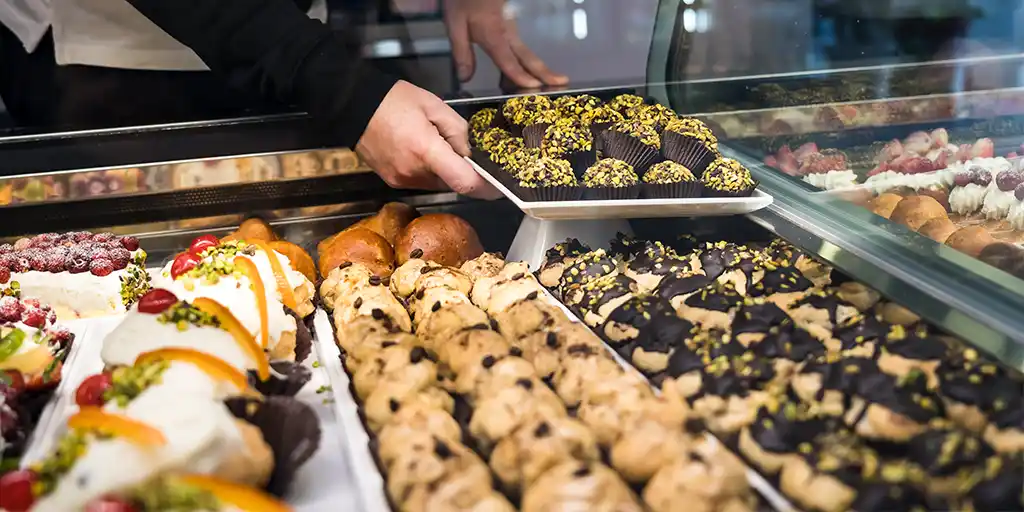
Meal deal innovation has played a key role in food-to-go market growth, with brands creating healthier, functional food choices to meet customer shifts in behavior. Premium upgrades also have a part to pay in the growth, whether it’s deli-style rolls or a fresh bakery offering. Many consumers buy food-to-go daily and they want variety.
Health
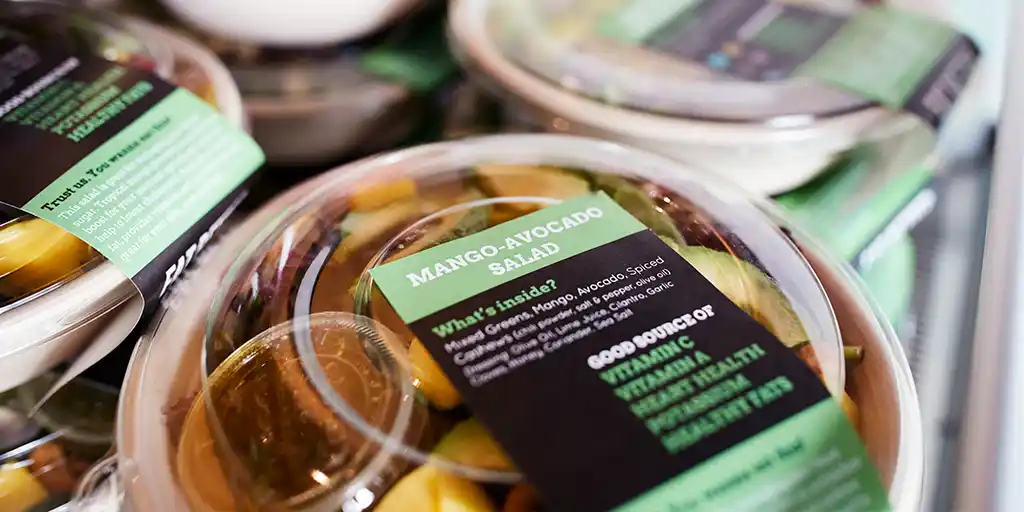
If we dive deeper into the health trend, it’s clear just how much influence it’s having on food-to-go. Shoppers are gravitating towards fresh, nutritious, functional and high-quality offerings. Think brain-boosting foods like omega-3 and adaptogens.
While not every convenience store will have the customer base for this type of offering, it’s important to note that affluent millennials are the ones driving the shift towards more innovative offerings geared towards wellness – specifically those in London and other urban centres. In fact, affluent millennials account for 32% of all food-to-go visits[2].
Digital Innovation
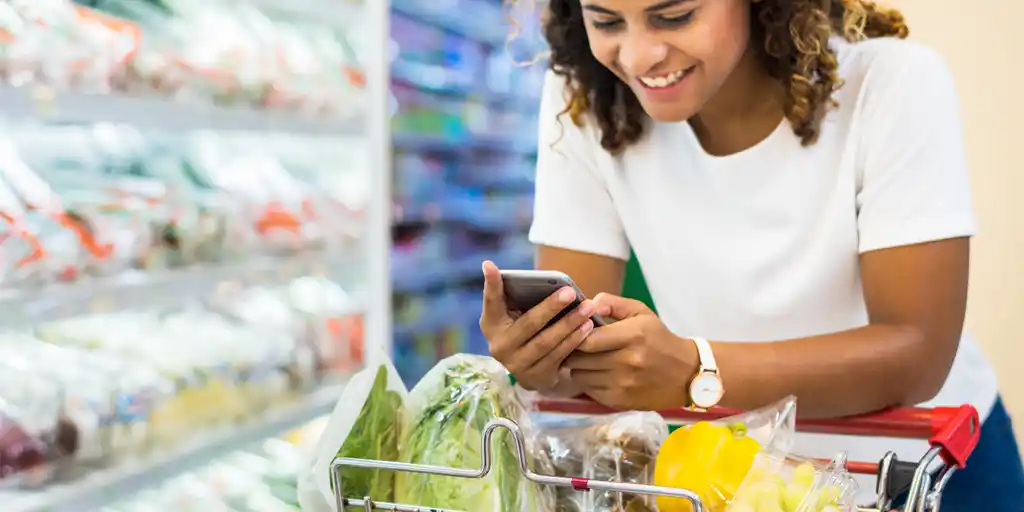
Digital engagement is becoming an increasingly important influence on food-to-go behaviour, with shoppers adopting new habits around mobile ordering, loyalty rewards and digital touchpoints as part of their daily routines. Lumina insight shows consumers are responding strongly to convenience, personalised value and frictionless journeys, with digital channels now playing a key role in driving repeat visits across both foodservice and retail environments. As expectations shift, shoppers are becoming more accustomed to app-led rewards, exclusive pricing and simple digital incentives that help them navigate choices quickly and consistently.
The growth of digital touchpoints is also shaping how operators plan, promote and execute their food-to-go ranges. Lumina highlights the rising influence of loyalty schemes, personalised promotions and digital menu browsing on buying decisions, particularly among younger and more frequent food-to-go users. For convenience retailers, this means even simple digital tools can support stronger engagement, from basic reward mechanics to targeted promotions that enhance visibility throughout the day. As the category becomes more competitive, digital innovation is set to play an increasingly central role in building loyalty and supporting food-to-go missions across multiple day-parts.
Grow With Food-To-Go
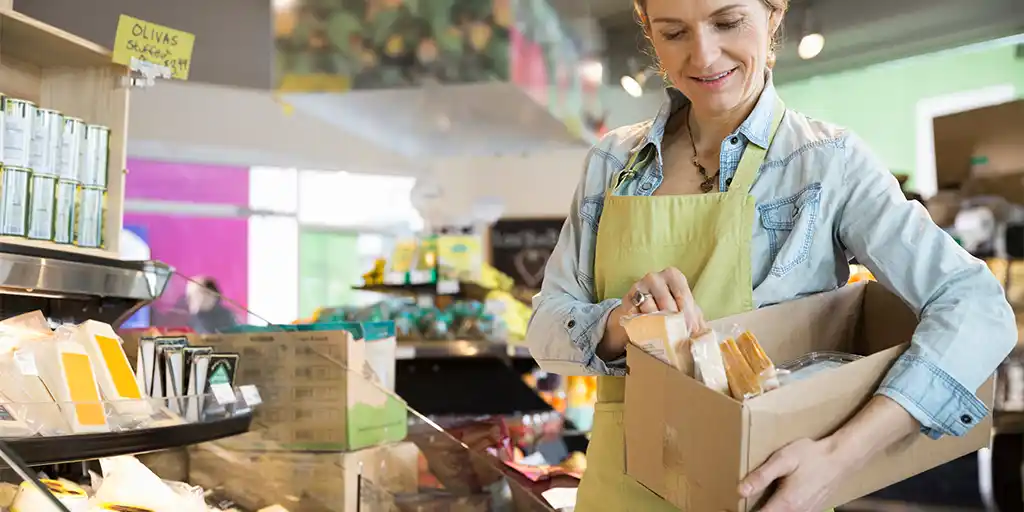
As shopper expectations shift, food-to-go is becoming a category that rewards innovation. Whether through better meal deal choices, fresher health-led products or smarter digital engagement, the stores that adapt will see stronger loyalty and more frequent visits. In a competitive market, staying relevant is everything, and food-to-go remains one of the clearest ways to achieve it.
[1]Lumina Intelligence: Food to Go Trends 2025
[2] Lumina Intelligence: Food to Go Trends 2025