

Snacking: How Consumer Behaviour Is Shaping the Category
This article is based on the CSN 2025 Report by PepsiCo.
Snacking remains one of the most deeply embedded food behaviours in the UK. From quick moments of hunger to planned social occasions, snacks continue to play a vital role in everyday life. However, while the habit itself is stable, how, where, and why people snack is evolving. Economic pressure, changing lifestyles, health awareness, and social behaviour are all influencing which parts of the category are thriving and which are losing momentum.
A Nation of Snackers – With Changing Habits
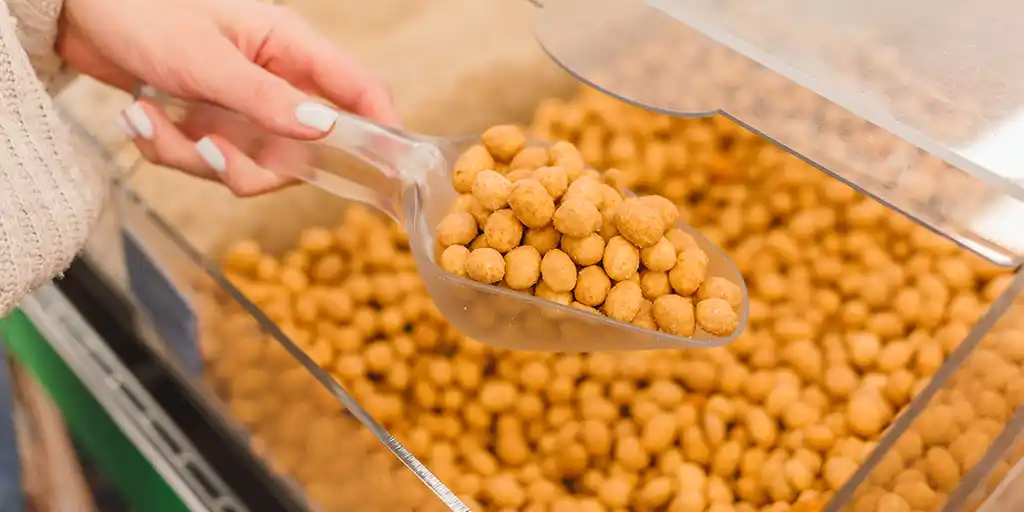
The scale of the snacking opportunity remains significant. According to Pepsico, UK consumers clock up around 370 million snacking occasions every day, averaging more than five snacks per person per day. Savoury snacks alone account for over 100 million daily occasions and represent a meaningful share of total food consumption.
What has changed is not the frequency of snacking, but the context. Around 80 percent of snacking still takes place at home, yet out of home consumption is rebounding. Eating out and socialising away from the home now happens more frequently than in recent years, gradually replacing some traditional take home snacking occasions. This shift has material implications for formats, pack sizes, and where value is generated.
The Key Influences Changing Snacking Behaviour
Several macro forces are shaping the category:
- Value has been redefined. Price still matters, but consumers increasingly judge value through a broader lens, weighing quality, enjoyment, pack usefulness, and emotional reward – This explains why premium price inflation has not collapsed demand, even while volumes have softened in certain areas.
- Sustainability and local credentials are becoming more influential, particularly among younger shoppers. While they may not always determine the final purchase decision, they shape brand perceptions and loyalty over time.
- Digital influence: Shoppers are navigating more complex paths to purchase. Digital influence, social recommendation, and impulse decisions in store play a bigger role than ever. Six in ten snack purchases are influenced in store rather than planned in advance, reinforcing the importance of visibility and in store navigation.
- Health awareness is reshaping attitudes. Rather than strict restriction, consumers are pursuing what might be described as whole health, seeking balance, moderation, and guilt-free enjoyment rather than elimination.
What Is Performing Well?
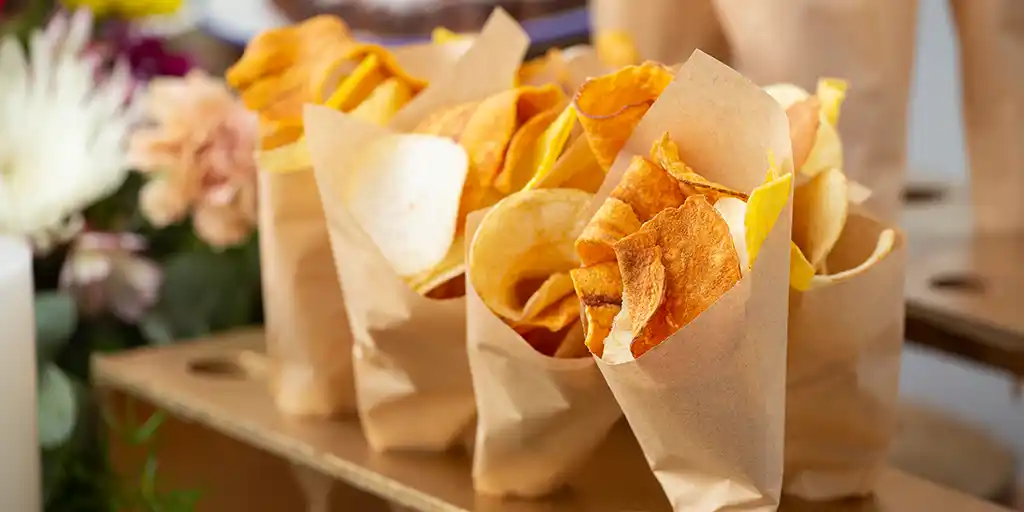
Sharing occasions are one of the clearest growth stories. As consumers socialise more, snacks have become facilitators of connection rather than just individual treats.
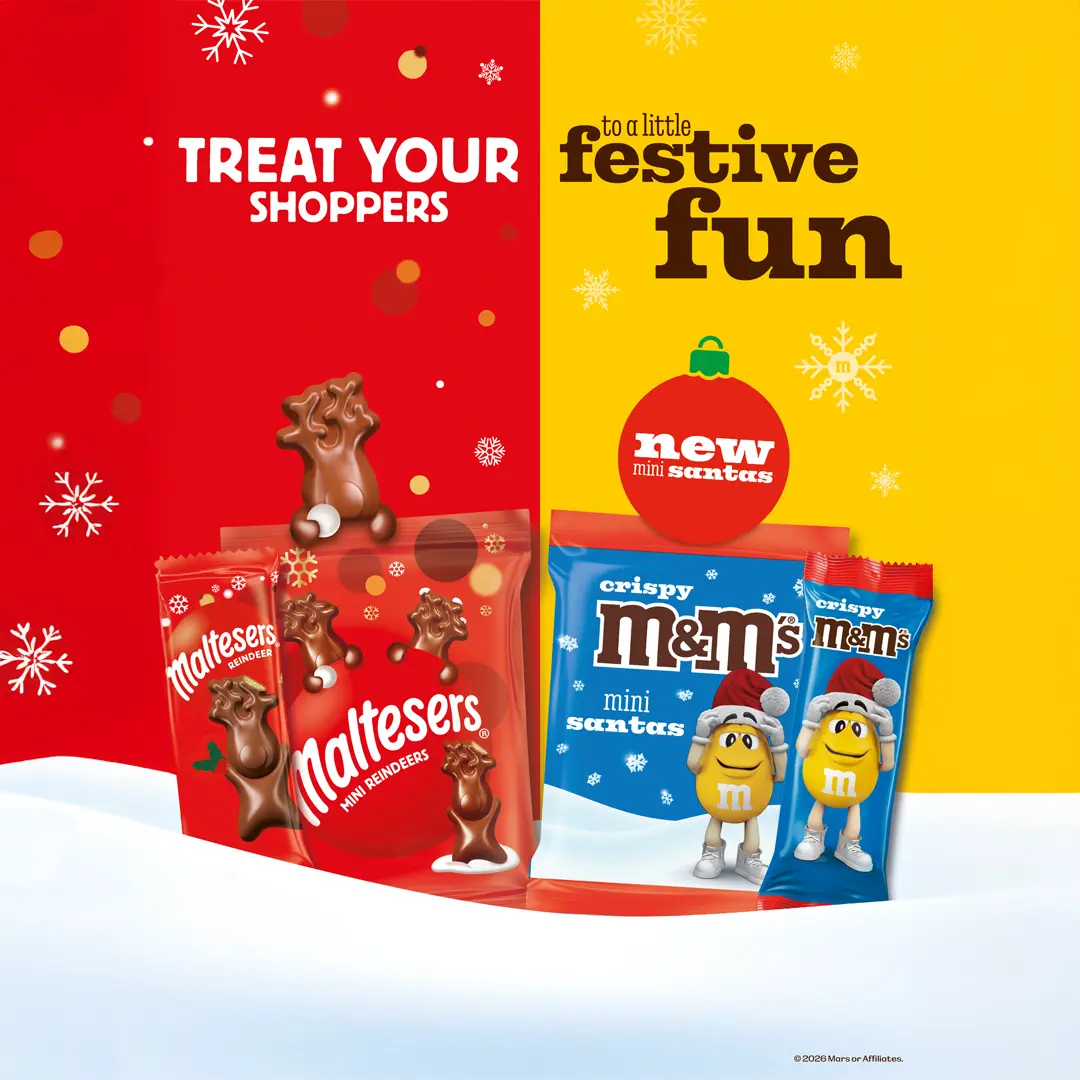
Sharing packs see a notable uplift during key seasons such as Christmas, and food sharing is now preferred over formal dining by nearly half of social hosts.
Premium price-marked packs also continue to grow in importance. These packs dominate sharing formats and help reassure shoppers on value, particularly in convenience and independent retail.
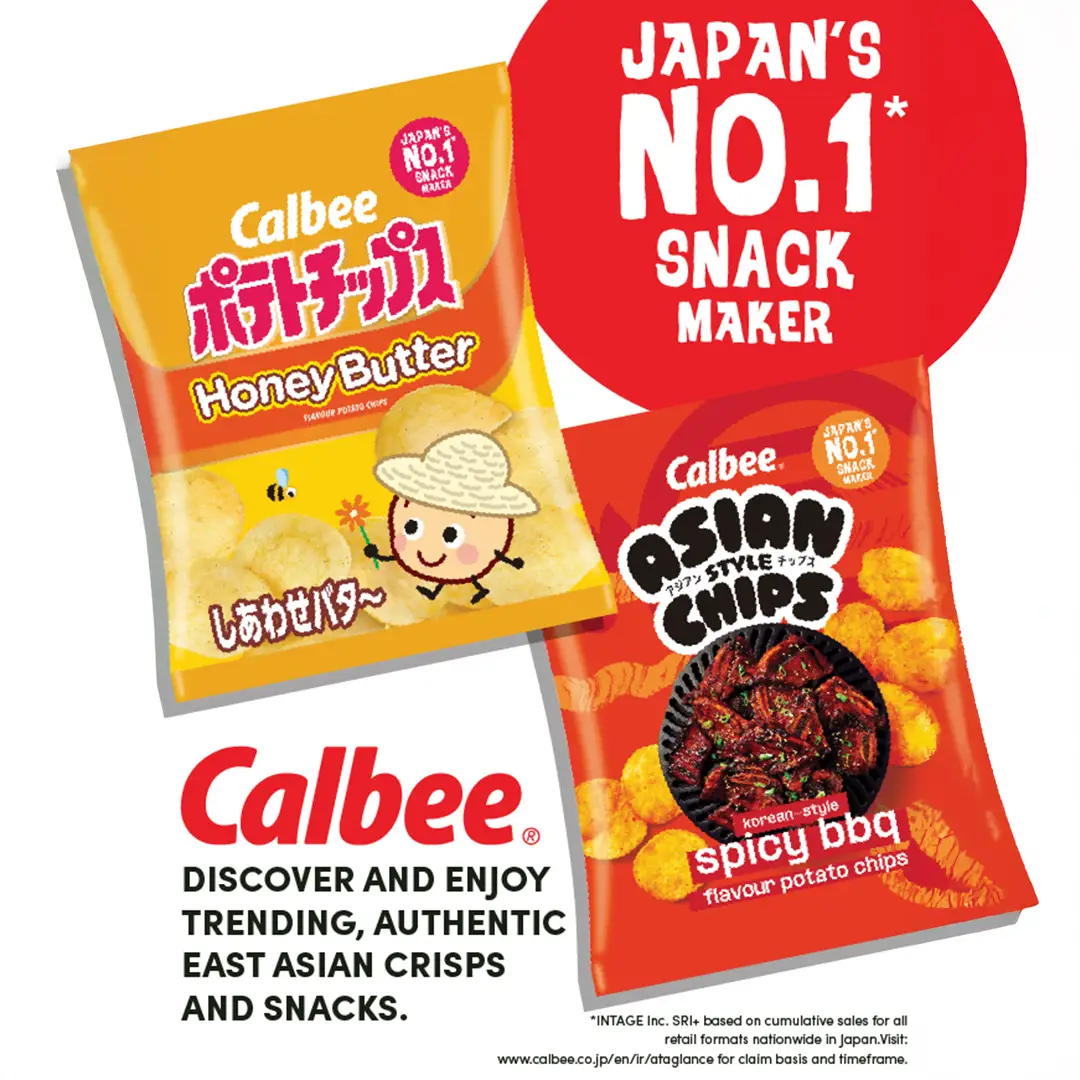
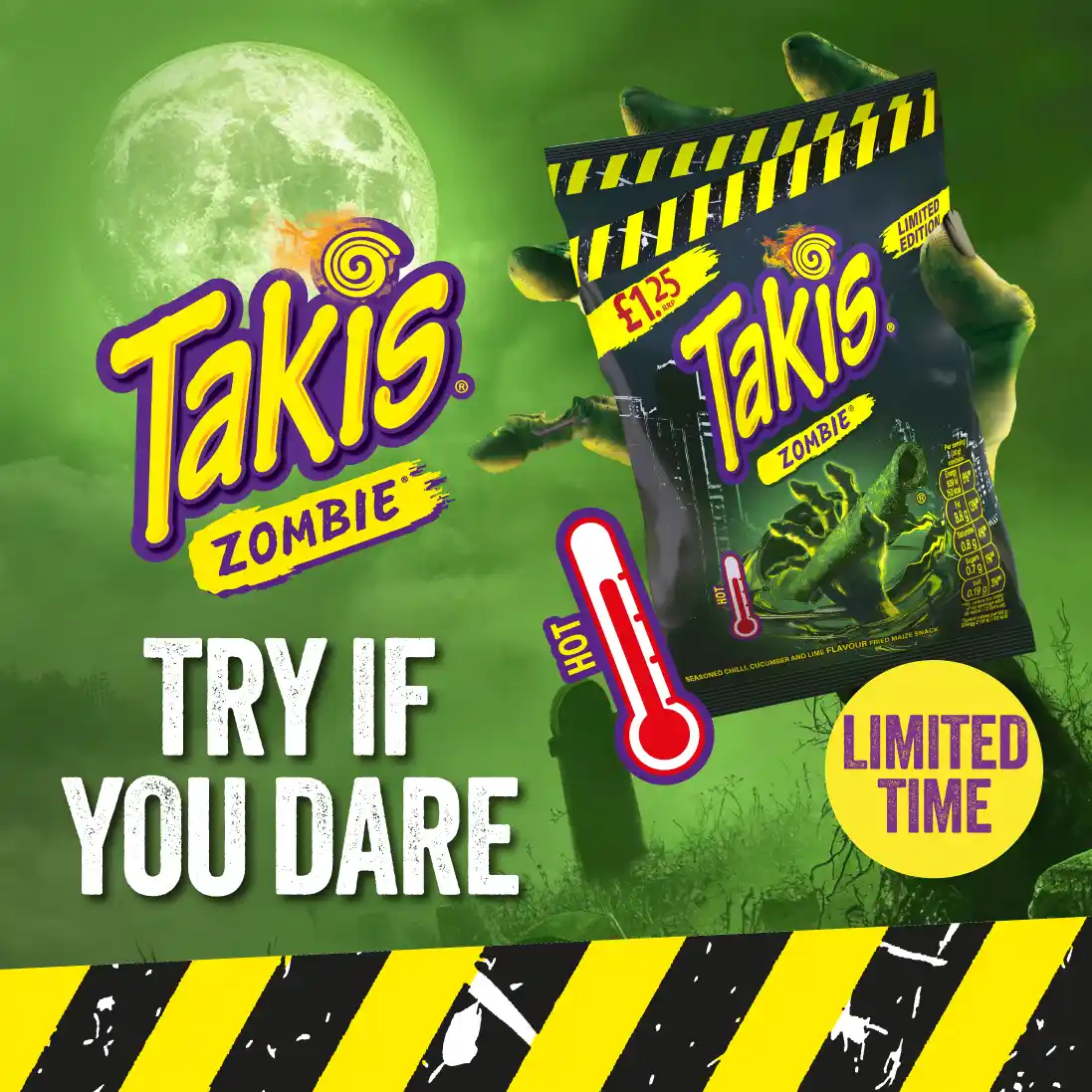
Flavour exploration is another strong performer. Consumers want snacks that help them discover something new while still reconnecting with familiar tastes. Spicy flavours are no longer niche and are moving into the mainstream, while authentic world flavours and bold taste profiles are drawing interest, especially among younger and more urban audiences.
What Is Under Pressure?
Impulse remains a powerful driver, particularly in convenience channels. Independent and symbol shoppers are twice as likely to buy snacks on impulse compared with the average shopper. Secondary displays, front of store placements, and cross category siting with drinks significantly increase conversion and basket spend.
Despite its resilience, the category is not without challenges. Larger pack sizes have contributed to a rate of sale decline in some segments, even as average price per kilogram rises.
Shoppers remain cautious, and when a purchase feels unjustified for the occasion, they are more likely to trade down, delay, or switch channels.
Core segments remain dominant, but this dominance also limits growth. The UK over-indexes on traditional salty snacks compared to markets such as the US, leaving less room for incremental growth unless shoppers are encouraged to explore new formats, flavours, or usage occasions.
Volume softness is also evident in some traditional take home occasions. As more consumers eat and snack away from home, not all lost occasions are being replaced in retail, increasing pressure on retailers to win impulse and social missions.
What This Means for Retailers: Unlocking The Right Space For The Category
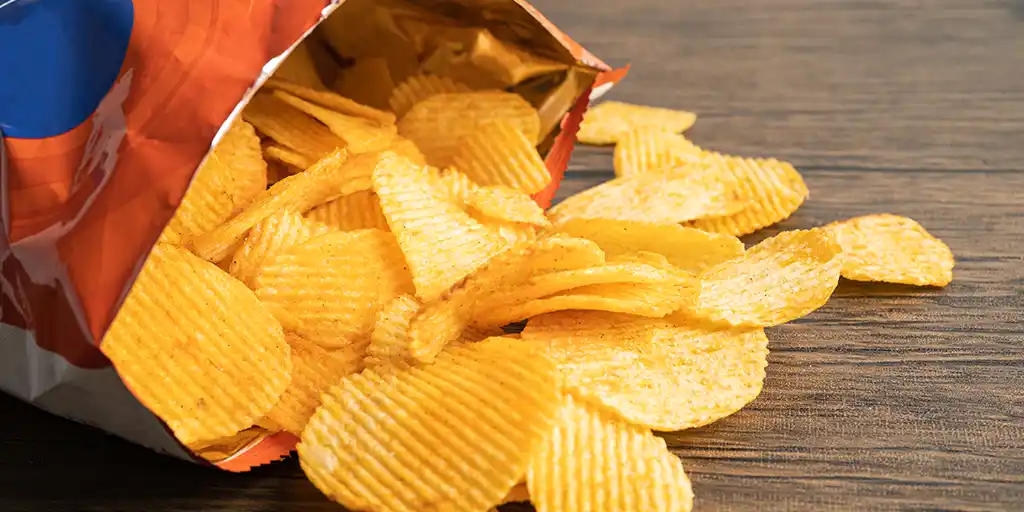
Snacking in 2025 is not about reinventing the category, but about responding intelligently to how consumers now behave.
- Prioritise placing crisps, snacks and nuts on the main fixture.
- Opt for best-selling hero SKUs as these act as signposts to drive impulse purchases.
- Secondary placements – with a quarter of category sales happening away from the main fixture, secondary placements are no longer optional add ons, but core sales drivers.
Ultimately, snacking remains resilient and retailers who prioritise clarity, availability, and visibility will see the strongest returns.
As long as snacks continue to deliver enjoyment, facilitate social moments, and feel ‘worth the spend’, they will remain a staple of British life, even as behaviours evolve.
Want to delve even deeper? Take a look at the must-stock SKUS, shared in the overview of this report.